Categories
Finance

How PPP Loans Can Help Small Business Owners

Due to the pandemic affecting the entire world over the past year or more, it’s been incredibly difficult for small businesses to stay afloat when they don’t have customers regularly coming through their doors. The quarantine also made it nearly impossible for employees to go to work. But business owners were given no reprieve from still paying for rent and utilities on their buildings. That was why the federal government developed the Paycheck Protection Program (PPP) geared towards helping small business owners and American workers. You can find out exactly what the PPP entails here.

What Is the Paycheck Protection Program?

The PPP started in March 2020. Since its inception, it has distributed more than $500 billion in loans to businesses of all kinds. Businesses were granted access to funds up to 2.5 times the amount of their payroll costs for up to eight weeks. The maximum amount any business could take out was $10 million at at a fixed rate of 1%. However, since the program began, it has been changed several times.

In December 2020, the federal government passed the Coronavirus Response and Relief Supplemental Appropriations Act (CRRSAA) which provided another $900 billion to businesses. It fixed many of the problems that PPP had, such as granting access to a second draw for those who needed more money. This new act also changed the criteria required for businesses to be eligible and made loan forgiveness a little easier.

Shutterstock

Who Is Eligible for PPP?

The PPP assistance is available to independent contractors, sole proprietors, small businesses, and self-employed people. It is for companies with twenty or fewer employees and those with a smaller stream of revenue. They made changes to increase eligibility, including non-citizens who paid taxes, people delinquent on their student loans, and those who had committed non-fraud felonies.

Who Provides PPP?

Private lenders and credit unions issue PPP loans. Then, the Small Business Administration (SBA) backs the loan. These loans are to incentivize small businesses to keep their employees on payroll and/or rehire laid-off workers who had their employment disrupted from the Covid-19 pandemic.

Shutterstock

What Are the Requirements for the First PPP Loan?

Before making out an application for the PPP loan, you must first meet these criteria:

  • Business is open and operational
  • Business was operational before February 15, 2020
  • You have fewer than 500 employees, or you have fewer than 500 employees per location if the business has multiple locations

To obtain the “second draw,” a business must meet the following requirements:

  • First PPP loan has been used 
  • Business was in operation before February 15, 2020
  • It’s still open and operational
  • The company has no more than 300 employees; you have fewer than 300 employees per location if the business has multiple locations
  • Business can demonstrate that there has been a 25% or greater reduction in gross revenue.

How Can Reduction in Gross Revenue Be Demonstrated?

There are generally two ways that a business can show a 25% or greater reduction in revenue. First, they can demonstrate this reduction by comparing their annual gross revenue on your tax return in 2020 to 2019. Secondly, you can compare your gross revenue in any quarter in 2020 with your income in the same quarter of 2019.

Shutterstock

What Are Some Alternatives to PPP?

If, after looking at all of the above criteria and you find that you don’t meet all of them, there are some alternatives you may want to seek out to help you financially. Here is a list of other funding sources you may want to consider:

  • The Employee Retention Tax Credit: businesses can apply for payroll tax credits if they keep employees on the payroll, if they paid COVID-19-related sick leave for employees, or if they had to suspend operations.
  • The Express Bridge Loan: $25,000 is for disaster-related purposes from a lender you already have an existing bank relationship with.
  • Federal Stimulus Checks
  • Pandemic Unemployment Assistance: Self-employed individuals and independent contractors are eligible for unemployment benefits if they find themselves unemployed, partially unemployed, or unable to work due to COVID-19.
  • Traditional bank loans

Getting through these trying times can be difficult financially, but there are resources out there to help you. You just have to know where to look and to ask for help needed.


Categories
Healthy

How Japanese Women Look Eternally Youthful

Japanese culture is beautiful. It’s full of peaceful people and joyful traditions. Japan is an archipelago made up of four major islands and over 6,000 minor ones. It is home to a wide range of geographical, cultural and historical diversity. Japanese women are known for their delicate, slim and youthful looks. On top of the outward beauty, the life expectancy of Japanese people is the highest in the world. This is due to Japanese culture, and the lifestyle choices they make. Unlike an individualist Western country, the Japanese take pride in belonging to a group and functioning together. Their lives are embedded with the idea of being better in a group and they love the feeling. Day in and day out, the goal of the Japanese people is making their country a better and more efficient place. Every single part of their day is committed to efficiency, health, and improvement.

Green tea. Freepik.

1. Frequently Drinking Green Tea

Green tea has long been reputed to be one of the healthiest drinks on the planet. It has been used in China since the 8th century and has made its way across every continent. Green tea is made from un-oxidized leaves of the Camellia sinensis bush. Green tea has long been used in many cultures for its various medicinal properties. In Indian culture, it’s used to control bleeding and even support healing wounds. It also aids digestion, improves mental and heart health, and regulates body temperature. It’s full of antioxidants and nutrients and has a powerful effect on health when it’s consumed. The leaves used to make green tea contain bioactive compounds and phytonutrients like flavonoid and catechins. Green tea contains a catechin called epigallocatechin-3-gallate (EGCG). Catechins are natural antioxidants that help prevent cell damage and provide other benefits.


Fermented foods. Freepik.

2. Consuming Fermented Foods

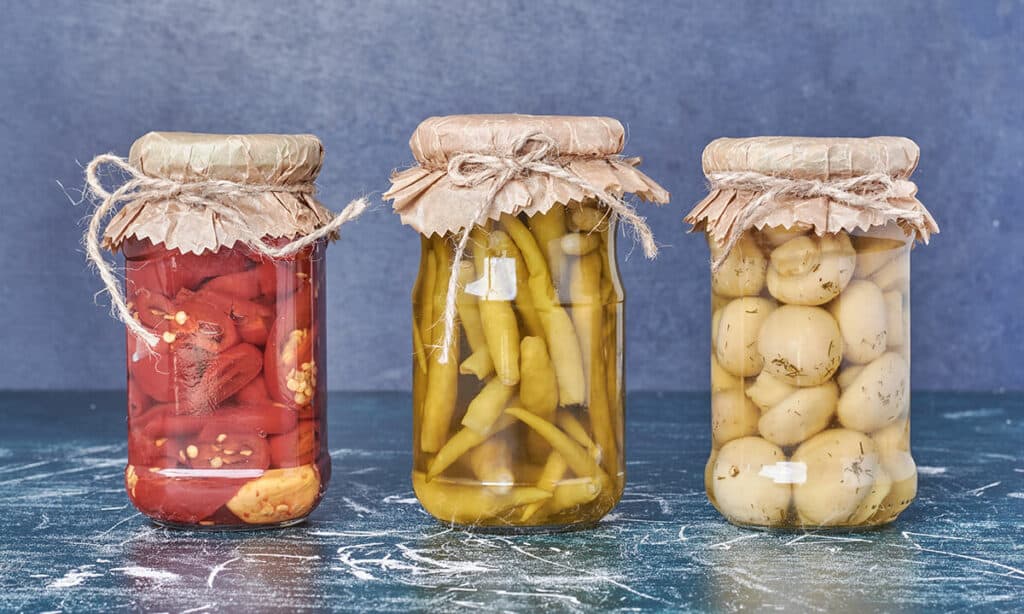
Fermentation is a metabolic process that uses natural microorganisms like bacteria or yeast to feed on sugars and starch. This process preserves the food and creates beneficial enzymes, B-vitamins, omega-3 fatty acids, and probiotics. It’s possible that the probiotics consumed from daily diets that include fermented foods may contribute to longevity and healthy aging. There are many factors correlated with healthy aging (including genes), but diet seems to play a huge role in the formula for aging well and in maintaining quality of life. Aside from adding “good” bacteria to the gut, fermented foods also increase levels of vitamin A and C and make foods more digestible. This way, you can remove toxins from the body, and eliminate anti-nutrients that interfere with the absorption of healthy vitamins and minerals


Seafood. Freepik.

3. Regular Consumption of Seafood

Japanese cuisine is rife with seafood. You can find a wide array such as squid, fish, octopus, eel, and shellfish. Seafood is a common ingredient in sushi, salad, curry, and tempura. It can also be grilled and served on its own alongside rice and miso soup. Seafood is a rich source of nutrients as it’s full of protein, vitamins, and minerals like B and D vitamins, omega-3 fatty acids and much more. Low in saturated fats, one of the greatest health benefits of a diet high in seafood is the promotion of a healthy heart. The omega-3 fatty acids found in seafood have many health benefits. They’ve been shown to significantly reduce the risk of cardiovascular events like arrhythmia, stroke, and heart attack, are effective at relieving pain caused by rheumatoid arthritis, can lower the risk of age-related macular degeneration, support proper brain growth in babies and children, and even has the potential to treat depression.


Smaller portions. Shutterstock.

4. Eating Smaller Portions

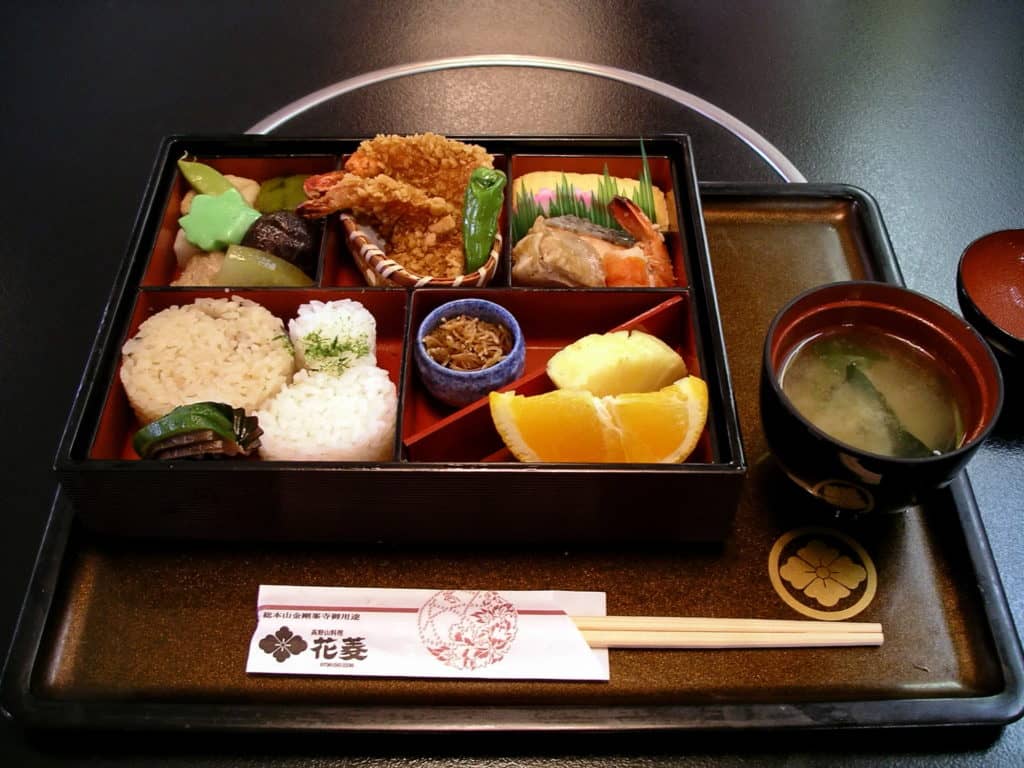
In Japanese culture, the phrase “ichiju-sansai” or “one soup, three sides” is applied at meal times. So a typical Japanese meal usually consists of a staple food like rice or noodles. It is paired with a main dish such as fish, chicken, pork or beef, with side dishes like pickled vegetables and miso soup. This may sound like a large amount of food, but the portions are all smaller-sized and based on seasonal ingredients. Japanese etiquette dictates that different flavors must not touch each other on the same plate. Therefore, every serving is presented on smaller serving plates. As such, the Japanese people generally do not heap their food onto the same plate like we do in Western culture, and this may contribute to their health and wellbeing. Portion size is an important factor in maintaining weight and ensuring you receive all the correct nutrition. With fast food and restaurants serving sizes from small through to extra-large, it’s easy to get confused about how much you should be eating.


Go for a walk to connect with your environment and get exercise. Shutterstock.

5. Walking is a Ritual

Japanese people have discovered that walking has many benefits. It’s a wonderful way to discover and explore the country while getting important exercise. Not only do Japanese people prefer to walk in the overcrowded cities to minimize traffic congestion, walking can also be considered as a Buddhist ritual. Around 90 million people in Japan consider themselves to be Buddhists, and as such many of them undertake the practice of walking meditation. Walking meditation is an easy exercise to do as it doesn’t require any fancy equipment, you just need a comfortable pair of shoes and you’re good to go. It involves deliberately thinking about each step, instead of just walking on autopilot as you normally might. So as you walk, focus on lifting one foot, moving it forward, and putting it down on the ground. Then focus on lifting the other foot, moving it forward, and taking the next step. Notice how your body weight shifts as you begin to walk forward, and simply go forward.


Here are Our Sources: 

https://www.turnto23.com/news/health/drinking-green-tea-could-lead-to-longer-life

https://www.bbc.com/future/article/20170601-the-secret-to-a-long-and-healthy-life-eat-less

https://ggia.berkeley.edu/practice/walking_meditation

everydayhealth.com/…/eat-fish-live-longer.aspx