Categories
Health

Health Benefits Of Daily Walking

Walking is a simple yet profoundly effective form of exercise that offers numerous health benefits. Engaging in daily walking can significantly enhance both physical and mental well-being, making it an essential activity for individuals of all ages. One of the primary advantages of walking is its ability to improve cardiovascular health. Regular walking helps to strengthen the heart, reduce blood pressure, and improve circulation. Consequently, this can lower the risk of heart disease and stroke, which are leading causes of mortality worldwide.

In addition to cardiovascular benefits, walking also plays a crucial role in weight management. By incorporating a daily walking routine, individuals can burn calories and increase their metabolic rate. This can be particularly beneficial for those looking to lose weight or maintain a healthy weight. Furthermore, walking helps to build and maintain muscle mass, which is essential for overall body strength and function. As muscle mass increases, so does the body’s ability to burn calories, creating a positive feedback loop for weight management.

Moreover, walking has been shown to improve bone health. Weight-bearing exercises, such as walking, stimulate bone formation and slow down bone loss, which is particularly important for older adults at risk of osteoporosis. By maintaining bone density, walking can help prevent fractures and other bone-related injuries. Additionally, walking can enhance joint health by lubricating the joints and strengthening the muscles that support them. This can alleviate symptoms of arthritis and improve overall mobility.

Transitioning to mental health, walking has been found to have a profound impact on mood and cognitive function. Engaging in regular physical activity, such as walking, releases endorphins, which are natural mood lifters. This can help reduce symptoms of depression and anxiety, promoting a sense of well-being. Furthermore, walking in natural environments, such as parks or trails, can provide additional mental health benefits by reducing stress and enhancing feelings of relaxation.

Cognitive benefits are also associated with daily walking. Research has shown that regular physical activity can improve memory, attention, and processing speed. Walking increases blood flow to the brain, which can enhance cognitive function and protect against age-related cognitive decline. This makes walking an excellent activity for maintaining mental sharpness and overall brain health.

Another significant benefit of daily walking is its positive impact on sleep quality. Regular physical activity can help regulate sleep patterns and improve the quality of sleep. By reducing stress and anxiety levels, walking can make it easier to fall asleep and stay asleep throughout the night. Improved sleep quality, in turn, contributes to better overall health and well-being.

Furthermore, walking is an accessible and low-impact form of exercise that can be easily incorporated into daily routines. It does not require any special equipment or gym memberships, making it a cost-effective option for maintaining health. Whether it is a brisk walk during a lunch break or a leisurely stroll in the evening, walking can be adapted to fit individual schedules and preferences.

In conclusion, the health benefits of daily walking are extensive and multifaceted. From improving cardiovascular health and weight management to enhancing mental well-being and cognitive function, walking is a simple yet powerful tool for promoting overall health. By making walking a regular part of daily life, individuals can enjoy a wide range of physical and mental health benefits, contributing to a higher quality of life.

Mental Wellness Through Regular Walks
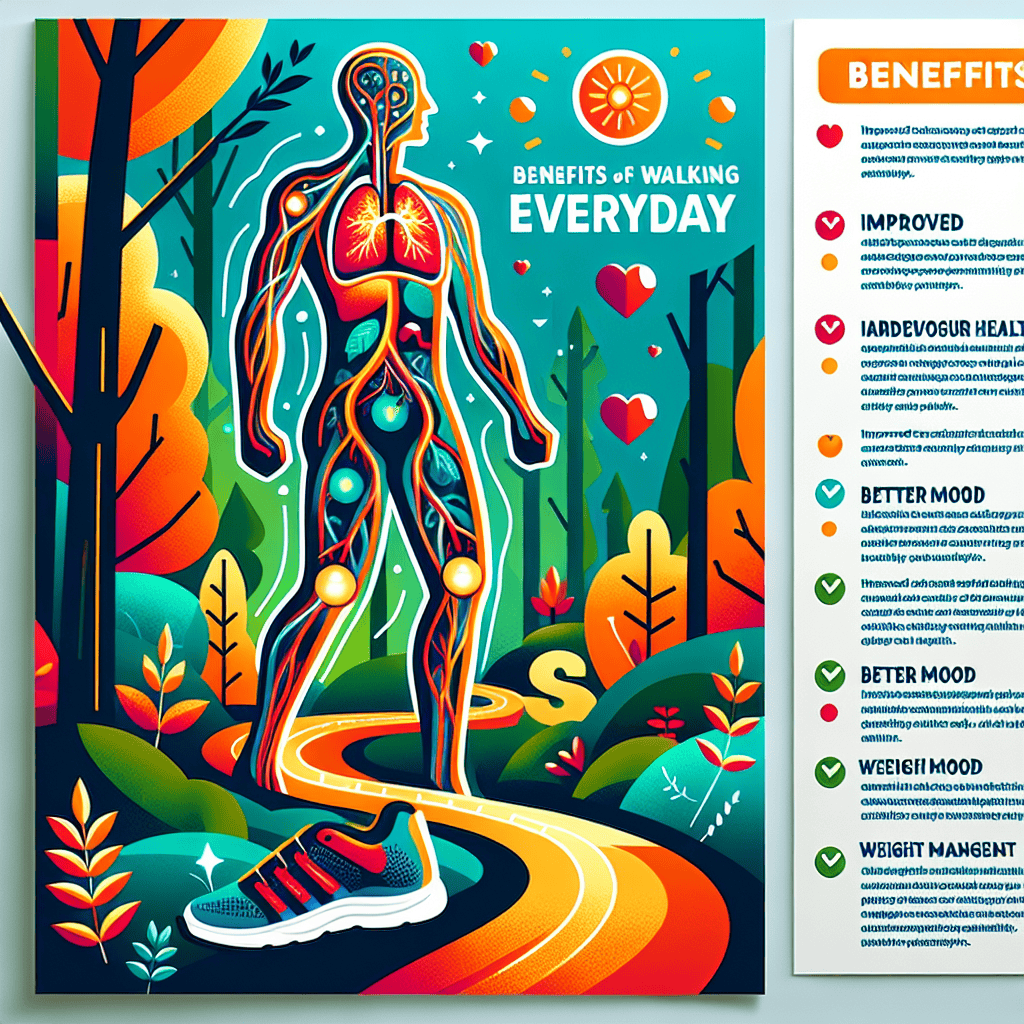
Why you should be walking everyday
Walking is often overlooked as a form of exercise, yet it holds significant benefits for mental wellness. Engaging in regular walks can profoundly impact one’s mental health, offering a simple yet effective way to enhance overall well-being. To begin with, walking stimulates the release of endorphins, the body’s natural mood lifters. These chemicals help to reduce stress and anxiety, creating a sense of calm and happiness. As a result, individuals who incorporate walking into their daily routine often experience improved mood and a more positive outlook on life.

Moreover, walking provides an opportunity for mindfulness, a practice that has been shown to reduce symptoms of depression and anxiety. When walking, individuals can focus on their surroundings, the rhythm of their steps, and their breathing. This mindful approach helps to divert attention from negative thoughts and worries, fostering a state of mental clarity and relaxation. Consequently, regular walks can serve as a form of moving meditation, promoting mental tranquility and emotional balance.

In addition to its immediate effects on mood, walking also contributes to long-term mental health benefits. Regular physical activity, such as walking, has been linked to improved cognitive function and a reduced risk of cognitive decline. Engaging in consistent walks can enhance memory, attention, and problem-solving skills, thereby supporting overall brain health. Furthermore, walking increases blood flow to the brain, which can help to nourish brain cells and promote the growth of new neural connections. This neurogenesis is crucial for maintaining cognitive vitality as one ages.

Another significant aspect of walking is its social dimension. Walking with friends, family, or in a group setting can provide valuable social interaction, which is essential for mental wellness. Social connections are known to reduce feelings of loneliness and isolation, which are risk factors for mental health issues such as depression. By walking regularly with others, individuals can strengthen their social bonds, share experiences, and enjoy a sense of community. This social engagement can be particularly beneficial for those who may otherwise have limited opportunities for interaction.

Furthermore, walking in natural environments, such as parks or trails, can amplify the mental health benefits. Nature walks have been shown to reduce symptoms of stress and improve overall mood more effectively than walks in urban settings. The presence of greenery, fresh air, and natural sounds can have a soothing effect on the mind, enhancing the restorative power of walking. Therefore, incorporating nature walks into one’s routine can provide an added layer of mental rejuvenation.

It is also worth noting that walking is a highly accessible form of exercise. It requires no special equipment or training, making it an inclusive activity for people of all ages and fitness levels. This accessibility ensures that the mental health benefits of walking are available to a broad population, regardless of socioeconomic status or physical ability. By promoting walking as a daily habit, communities can foster a culture of mental wellness and support the mental health of their members.

In conclusion, walking offers a multitude of mental health benefits, from immediate mood enhancement to long-term cognitive support. Its potential for mindfulness, social interaction, and connection with nature further enriches its value as a tool for mental wellness. Given its accessibility and simplicity, walking stands out as an effective and sustainable way to nurture mental health. Therefore, incorporating regular walks into one’s daily routine is a worthwhile investment in mental well-being.

Environmental Impact Of Choosing To Walk

Walking every day is not only beneficial for personal health but also has a significant positive impact on the environment. As the world grapples with the consequences of climate change and environmental degradation, individual actions such as choosing to walk instead of driving can collectively contribute to a more sustainable future. The environmental impact of walking is multifaceted, encompassing reductions in greenhouse gas emissions, decreased air pollution, and lessened dependence on non-renewable resources.

To begin with, one of the most immediate environmental benefits of walking is the reduction in greenhouse gas emissions. Automobiles are a major source of carbon dioxide and other greenhouse gases, which contribute to global warming and climate change. By opting to walk for short trips instead of driving, individuals can significantly cut down on their carbon footprint. For instance, a typical car emits about 4.6 metric tons of carbon dioxide per year. Even a modest reduction in car usage can lead to a substantial decrease in these emissions, thereby mitigating the adverse effects on the climate.

In addition to reducing greenhouse gas emissions, walking also helps to decrease air pollution. Vehicles emit a variety of pollutants, including nitrogen oxides, particulate matter, and volatile organic compounds, which can have detrimental effects on air quality and public health. These pollutants are known to cause respiratory problems, cardiovascular diseases, and other health issues. By choosing to walk, individuals can contribute to cleaner air, which benefits not only their own health but also the health of the broader community. Cleaner air can lead to fewer health problems and lower healthcare costs, creating a positive feedback loop that further incentivizes walking.

Moreover, walking reduces the reliance on non-renewable resources such as oil and gas. The extraction, refining, and transportation of these resources have significant environmental impacts, including habitat destruction, oil spills, and water contamination. By walking instead of driving, individuals can help to decrease the demand for these resources, thereby reducing the environmental damage associated with their extraction and use. This shift towards more sustainable modes of transportation can also encourage the development of infrastructure that supports walking, such as pedestrian-friendly streets and green spaces, further promoting environmental sustainability.

Furthermore, walking can lead to a reduction in noise pollution. Traffic noise is a pervasive issue in urban areas, affecting the quality of life and well-being of residents. Excessive noise can lead to stress, sleep disturbances, and other health problems. By reducing the number of vehicles on the road, walking can contribute to quieter, more peaceful communities. This improvement in the acoustic environment can enhance the overall quality of life and make urban areas more livable.

In conclusion, the environmental impact of choosing to walk every day is profound and far-reaching. By reducing greenhouse gas emissions, decreasing air pollution, lessening dependence on non-renewable resources, and mitigating noise pollution, walking offers a simple yet effective way for individuals to contribute to environmental sustainability. As society continues to seek solutions to the pressing environmental challenges of our time, the humble act of walking stands out as a powerful tool for positive change. Therefore, incorporating walking into daily routines is not only a step towards better personal health but also a stride towards a healthier planet.

Categories
Health

Balanced Diet And Nutrition Tips For Youthful Living

Maintaining a youthful appearance and robust health is a goal shared by many, and achieving this often begins with a balanced diet and proper nutrition. A well-rounded diet not only supports physical health but also contributes to mental well-being, both of which are essential for a youthful lifestyle. To embark on this journey, it is crucial to understand the fundamental components of a balanced diet and how they contribute to overall health.

First and foremost, incorporating a variety of fruits and vegetables into your daily meals is paramount. These foods are rich in essential vitamins, minerals, and antioxidants that combat oxidative stress and inflammation, two primary factors that accelerate aging. For instance, vitamin C found in citrus fruits and leafy greens is vital for collagen production, which maintains skin elasticity and reduces the appearance of wrinkles. Similarly, beta-carotene in carrots and sweet potatoes converts to vitamin A in the body, promoting healthy skin and vision.

In addition to fruits and vegetables, whole grains should be a staple in your diet. Whole grains such as brown rice, quinoa, and oats are excellent sources of fiber, which aids in digestion and helps maintain a healthy weight. Fiber also plays a role in regulating blood sugar levels, thereby reducing the risk of type 2 diabetes, a condition that can prematurely age the body. Moreover, whole grains provide essential B vitamins that support energy metabolism and brain function, contributing to a more youthful and active lifestyle.



Proteins are another critical component of a balanced diet, as they are the building blocks of the body. Lean proteins such as chicken, fish, beans, and legumes are preferable because they provide the necessary amino acids without the added saturated fats found in red meats. Omega-3 fatty acids, particularly abundant in fatty fish like salmon and mackerel, are known for their anti-inflammatory properties and their role in maintaining heart health. These healthy fats also support brain function and can improve mood, which is integral to feeling youthful and vibrant.

Equally important is the inclusion of healthy fats in your diet. Avocados, nuts, seeds, and olive oil are excellent sources of monounsaturated and polyunsaturated fats, which are beneficial for heart health. These fats help lower bad cholesterol levels and reduce the risk of cardiovascular diseases. Additionally, they play a crucial role in maintaining cell membrane integrity and supporting the absorption of fat-soluble vitamins such as A, D, E, and K.

Hydration is another key aspect of youthful living. Water is essential for maintaining skin hydration, aiding digestion, and flushing out toxins from the body. Drinking an adequate amount of water daily can help keep your skin plump and reduce the appearance of fine lines and wrinkles. Herbal teas and water-rich fruits and vegetables like cucumbers and watermelon can also contribute to your daily hydration needs.

Lastly, it is important to limit the intake of processed foods, sugary beverages, and excessive salt. These items can lead to weight gain, high blood pressure, and other health issues that can age the body prematurely. Instead, opt for natural, whole foods that provide the nutrients your body needs to function optimally.

In conclusion, a balanced diet rich in fruits, vegetables, whole grains, lean proteins, and healthy fats, coupled with adequate hydration, is fundamental to maintaining a youthful and healthy lifestyle. By making mindful food choices and prioritizing nutrition, you can support your body’s natural processes and enjoy a vibrant, youthful life.

Effective Exercise Routines To Maintain Vitality

How to stay Young and Healthy
Maintaining vitality and youthfulness is a goal that many strive for, and effective exercise routines play a crucial role in achieving this. Regular physical activity not only enhances physical health but also contributes significantly to mental well-being. To begin with, incorporating cardiovascular exercises into your routine is essential. Activities such as brisk walking, jogging, cycling, and swimming are excellent for improving heart health, increasing lung capacity, and boosting overall stamina. These exercises help in maintaining a healthy weight, reducing the risk of chronic diseases, and enhancing the efficiency of the cardiovascular system.

Transitioning from cardiovascular exercises, it is equally important to include strength training in your regimen. Strength training, which involves lifting weights or using resistance bands, helps in building and maintaining muscle mass. As we age, muscle mass naturally decreases, leading to a slower metabolism and increased risk of injury. By engaging in strength training exercises, you can counteract these effects, improve bone density, and enhance joint flexibility. This not only helps in maintaining a youthful appearance but also ensures that you remain physically capable and independent as you age.

In addition to cardiovascular and strength training exercises, flexibility and balance exercises should not be overlooked. Yoga and Pilates are excellent choices for improving flexibility, balance, and core strength. These exercises help in maintaining a full range of motion in the joints, reducing the risk of falls and injuries. Moreover, they promote relaxation and stress reduction, which are vital for mental health. A well-rounded exercise routine that includes flexibility and balance training can significantly enhance your overall quality of life.

Furthermore, it is important to consider the frequency and intensity of your workouts. Engaging in moderate-intensity exercise for at least 150 minutes per week, or vigorous-intensity exercise for 75 minutes per week, is recommended by health experts. This can be broken down into manageable sessions, such as 30 minutes of exercise five days a week. It is also beneficial to vary the intensity of your workouts to keep your body challenged and prevent plateaus. High-Intensity Interval Training (HIIT) is an effective way to incorporate both cardiovascular and strength training into a single workout, providing maximum benefits in a shorter amount of time.

Transitioning to the importance of recovery, it is crucial to allow your body adequate time to rest and recover between workouts. Overtraining can lead to injuries, fatigue, and decreased performance. Incorporating rest days into your routine, as well as practices such as stretching, foam rolling, and adequate sleep, can help in muscle recovery and overall well-being. Listening to your body and adjusting your exercise routine accordingly is key to maintaining long-term vitality.

Lastly, it is important to stay motivated and consistent with your exercise routine. Setting realistic goals, tracking your progress, and finding activities that you enjoy can help in maintaining motivation. Additionally, seeking support from friends, family, or fitness professionals can provide encouragement and accountability. By making exercise a regular and enjoyable part of your life, you can reap the benefits of improved physical health, mental well-being, and a youthful, vibrant lifestyle.

In conclusion, effective exercise routines that include cardiovascular, strength, flexibility, and balance training are essential for maintaining vitality and youthfulness. By varying the intensity of your workouts, allowing for adequate recovery, and staying motivated, you can achieve and sustain a healthy, active lifestyle.

Mental Wellness Practices For A Healthy Mind And Body

Maintaining mental wellness is a crucial aspect of staying young and healthy, as the mind and body are intricately connected. A healthy mind can significantly influence physical well-being, and vice versa. To achieve this balance, it is essential to adopt mental wellness practices that promote both psychological and physiological health. One effective approach is to engage in regular physical exercise, which has been shown to reduce symptoms of anxiety and depression. Exercise stimulates the production of endorphins, often referred to as “feel-good” hormones, which can enhance mood and overall mental health.

In addition to physical activity, mindfulness and meditation practices are invaluable tools for mental wellness. These practices encourage individuals to focus on the present moment, reducing stress and promoting a sense of calm. Mindfulness can be practiced through various techniques, such as deep breathing exercises, progressive muscle relaxation, or guided imagery. Meditation, on the other hand, involves dedicating time to quiet reflection, which can help clear the mind and improve concentration. Both mindfulness and meditation have been linked to lower levels of cortisol, the stress hormone, thereby contributing to a healthier mind and body.

Another important aspect of mental wellness is maintaining a balanced diet. Nutrition plays a significant role in brain function and emotional regulation. Consuming a diet rich in fruits, vegetables, whole grains, lean proteins, and healthy fats can provide the necessary nutrients for optimal brain health. Omega-3 fatty acids, found in fish and flaxseeds, are particularly beneficial for cognitive function and emotional well-being. Additionally, staying hydrated is essential, as even mild dehydration can impair cognitive performance and mood.

Sleep is another critical factor in mental wellness. Quality sleep allows the brain to process information, consolidate memories, and repair itself. Adults should aim for seven to nine hours of sleep per night to ensure they are well-rested and able to function optimally. Establishing a regular sleep routine, creating a comfortable sleep environment, and avoiding stimulants like caffeine before bedtime can all contribute to better sleep quality.

Social connections also play a vital role in mental wellness. Building and maintaining strong relationships with family, friends, and community members can provide emotional support and reduce feelings of loneliness and isolation. Engaging in social activities, whether in person or virtually, can foster a sense of belonging and improve overall mental health. Volunteering or participating in group activities can also enhance social connections and provide a sense of purpose.

Furthermore, it is important to manage stress effectively to maintain mental wellness. Chronic stress can have detrimental effects on both mental and physical health. Developing healthy coping mechanisms, such as time management, setting realistic goals, and practicing relaxation techniques, can help mitigate the impact of stress. Seeking professional help, such as therapy or counseling, can also be beneficial for those struggling with stress or other mental health issues.

Lastly, engaging in lifelong learning and stimulating the mind can contribute to mental wellness. Pursuing new hobbies, reading, solving puzzles, or taking up a new skill can keep the brain active and promote cognitive health. Continuous learning and mental challenges can help maintain cognitive function and prevent cognitive decline as one ages.

In conclusion, adopting mental wellness practices is essential for maintaining a healthy mind and body. Regular physical exercise, mindfulness and meditation, a balanced diet, quality sleep, strong social connections, effective stress management, and lifelong learning are all key components of mental wellness. By integrating these practices into daily life, individuals can enhance their overall well-being and enjoy a youthful, healthy lifestyle.

Categories
Health

Benefits Of Botox For Seniors: Enhancing Quality Of Life

Botox treatments have long been associated with cosmetic enhancements, primarily aimed at reducing the appearance of wrinkles and fine lines. However, in recent years, there has been a growing recognition of the benefits that Botox can offer to seniors, extending beyond mere aesthetic improvements. As the population ages, it becomes increasingly important to explore various avenues that can enhance the quality of life for older adults. Botox, when administered appropriately, can play a significant role in this regard.

One of the primary benefits of Botox for seniors is its ability to alleviate chronic pain. Many older adults suffer from conditions such as arthritis, migraines, and muscle spasms, which can severely impact their daily lives. Botox injections have been found to provide relief from these ailments by blocking the release of certain chemicals that transmit pain signals to the brain. This can result in a significant reduction in pain and discomfort, allowing seniors to engage more actively in their daily activities and enjoy a better quality of life.

In addition to pain management, Botox has also been shown to be effective in treating overactive bladder, a condition that is prevalent among the elderly. Overactive bladder can lead to frequent and urgent urination, which can be both inconvenient and embarrassing. Botox injections into the bladder muscle can help relax it, thereby reducing the symptoms of overactive bladder. This can greatly improve the social and emotional well-being of seniors, as they no longer have to worry about sudden urges or accidents.

Furthermore, Botox can also address issues related to excessive sweating, known as hyperhidrosis. This condition can be particularly bothersome for seniors, affecting their comfort and confidence. By injecting Botox into the sweat glands, the production of sweat can be significantly reduced, leading to a more comfortable and enjoyable daily life. This can be especially beneficial during social interactions, where excessive sweating might otherwise cause embarrassment or self-consciousness.

Another noteworthy benefit of Botox for seniors is its potential to improve mental health. The psychological impact of aging, coupled with physical ailments, can sometimes lead to depression and anxiety. By enhancing physical appearance and alleviating chronic pain, Botox can contribute to a more positive self-image and overall sense of well-being. This, in turn, can have a positive effect on mental health, helping seniors to feel more confident and engaged in their social circles.

Moreover, it is important to note that Botox treatments are minimally invasive and generally well-tolerated, making them a suitable option for seniors who may have concerns about undergoing more invasive procedures. The recovery time is typically short, and the risk of complications is relatively low when administered by a qualified healthcare professional. This makes Botox an accessible and practical option for many older adults seeking to improve their quality of life.

In conclusion, while Botox is often associated with cosmetic enhancements, its benefits for seniors extend far beyond aesthetics. From pain management and treatment of overactive bladder to reducing excessive sweating and improving mental health, Botox can significantly enhance the quality of life for older adults. As the population continues to age, it is crucial to consider and embrace such treatments that can contribute to the well-being and happiness of seniors. By doing so, we can ensure that they enjoy a more comfortable, active, and fulfilling life.

Safety And Efficacy Of Botox In Older Adults

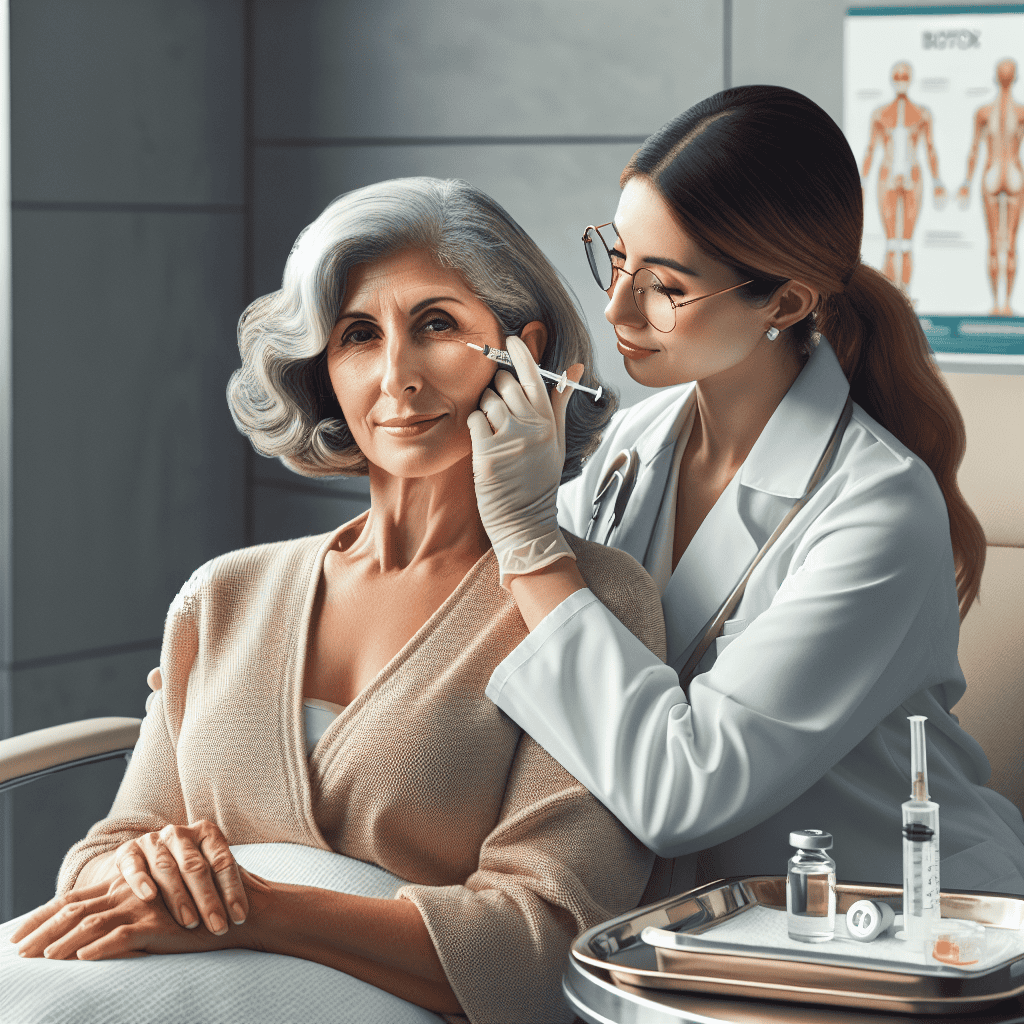
botox treatments for seniors
Botox treatments have gained significant popularity over the years, not only among younger individuals seeking to maintain a youthful appearance but also among older adults who wish to address age-related concerns. As the population ages, the interest in cosmetic procedures, including Botox, has extended to seniors. However, the safety and efficacy of Botox in older adults warrant careful consideration, given the physiological changes that accompany aging.

Botox, or botulinum toxin type A, is a neurotoxic protein used to temporarily paralyze muscles, thereby reducing the appearance of wrinkles and fine lines. While it is widely regarded as safe for the general population, the unique characteristics of older adults necessitate a closer examination. One of the primary concerns is the altered skin physiology in seniors. Aging skin tends to be thinner, less elastic, and more prone to bruising and bleeding. These factors can influence the outcome of Botox treatments and may require adjustments in dosage and technique.

Moreover, older adults often have a higher prevalence of chronic medical conditions and may be on multiple medications, which can complicate the administration of Botox. For instance, blood thinners, commonly prescribed to seniors, can increase the risk of bruising at the injection site. Therefore, a thorough medical history and medication review are essential before proceeding with Botox treatments in this demographic. Additionally, it is crucial for healthcare providers to be vigilant about potential contraindications and to tailor the treatment plan to the individual needs of older patients.

Despite these considerations, studies have shown that Botox can be both safe and effective for older adults when administered by experienced practitioners. Research indicates that seniors can achieve significant improvements in the appearance of dynamic wrinkles, such as crow’s feet and forehead lines, with minimal adverse effects. However, it is important to set realistic expectations, as the results may not be as dramatic as those seen in younger individuals due to the inherent differences in skin quality and muscle tone.

Furthermore, the psychological benefits of Botox should not be overlooked. Many older adults report increased self-esteem and confidence following cosmetic treatments, which can contribute to overall well-being. This is particularly relevant in a society that often places a high value on youthful appearance. Nevertheless, it is essential to approach Botox treatments with a holistic perspective, considering both the physical and emotional aspects of aging.

In addition to cosmetic applications, Botox has therapeutic uses that can benefit older adults. For example, it is used to treat conditions such as chronic migraines, muscle spasticity, and overactive bladder, which are more prevalent in the senior population. These therapeutic applications underscore the versatility of Botox and its potential to improve the quality of life for older individuals.

In conclusion, while Botox treatments can be safe and effective for older adults, they require careful consideration of the unique physiological and medical factors associated with aging. A thorough assessment by a qualified healthcare provider is essential to ensure optimal outcomes and minimize risks. By taking a personalized approach and setting realistic expectations, seniors can enjoy the benefits of Botox, both cosmetically and therapeutically, thereby enhancing their overall quality of life.

Comparing Botox To Other Anti-Aging Treatments For Seniors

Botox treatments have become increasingly popular among seniors seeking to maintain a youthful appearance. As the aging population grows, so does the interest in various anti-aging treatments. When comparing Botox to other anti-aging treatments for seniors, it is essential to consider the efficacy, safety, and overall benefits of each option. Botox, a neurotoxin derived from Clostridium botulinum, works by temporarily paralyzing the muscles responsible for wrinkles, thereby smoothing the skin. This treatment is particularly effective for dynamic wrinkles, which are caused by repetitive facial movements such as frowning or squinting.

In contrast, other anti-aging treatments, such as dermal fillers, chemical peels, and laser resurfacing, offer different mechanisms of action and benefits. Dermal fillers, for instance, involve injecting substances like hyaluronic acid or collagen into the skin to restore volume and reduce the appearance of static wrinkles, which are present even when the face is at rest. While dermal fillers can provide immediate results, they may not be as effective for dynamic wrinkles as Botox. Additionally, the longevity of dermal fillers varies depending on the type of filler used, with some lasting only a few months and others up to two years.

Chemical peels, another popular anti-aging treatment, involve applying a chemical solution to the skin to remove the outermost layers, promoting the growth of new, smoother skin. This treatment can improve the appearance of fine lines, sun damage, and uneven skin tone. However, chemical peels can be more invasive than Botox and may require a longer recovery period. The depth of the peel determines the extent of the results and the associated downtime, with deeper peels offering more dramatic improvements but also posing a higher risk of complications.

Laser resurfacing, on the other hand, uses concentrated light energy to remove damaged skin layers and stimulate collagen production. This treatment can effectively address a range of skin concerns, including wrinkles, age spots, and acne scars. While laser resurfacing can provide long-lasting results, it is generally more expensive and requires a more extended recovery period compared to Botox. Moreover, the risk of side effects, such as hyperpigmentation or scarring, may be higher with laser treatments.

When considering Botox versus other anti-aging treatments, it is crucial to evaluate the safety profiles of each option. Botox has been extensively studied and is generally considered safe when administered by a qualified professional. Common side effects include temporary bruising, swelling, and mild discomfort at the injection site. In rare cases, more severe complications, such as drooping eyelids or difficulty swallowing, may occur. Conversely, dermal fillers, chemical peels, and laser resurfacing each carry their own set of potential risks and side effects, which should be carefully weighed against the desired outcomes.

Furthermore, the cost and convenience of each treatment play a significant role in the decision-making process for seniors. Botox treatments are relatively quick, often taking only 10 to 15 minutes, and require minimal downtime, making them an attractive option for those with busy schedules. While the results of Botox typically last three to six months, the need for regular maintenance treatments may be a consideration for some individuals. In comparison, dermal fillers, chemical peels, and laser resurfacing may offer longer-lasting results but often come with higher costs and more extended recovery periods.

In conclusion, when comparing Botox to other anti-aging treatments for seniors, it is essential to consider the specific needs and preferences of the individual. Each treatment offers unique benefits and potential drawbacks, and a thorough consultation with a qualified professional can help determine the most appropriate option. By carefully evaluating the efficacy, safety, cost, and convenience of each treatment, seniors can make informed decisions to achieve their desired anti-aging results.

Categories
Health

Habits and Foods that Are Damaging Your Kidneys

Your kidneys are two small, bean-shaped organs that sit below the ribs on either side of the spine. Roughly the size of a fist, kidneys are in charge of filtering the blood and removing toxic substances from the food we eat, expelling these toxins out in the form of waste products. Kidneys also help maintain the delicate balance of fluids in the body.

If our kidneys are not working properly, our body cannot function. The breakdown of kidneys can lead to Chronic Kidney Disease (CKD), an umbrella term that covers various conditions that damage your kidneys and decrease their performance ability. The major causes of CKD are high blood pressure and diabetes, but anyone can be at risk of potential kidney disease. Maintaining a healthy lifestyle can dramatically decrease your risk. It’s important to know what can cause kidney damage, so here are some of the top damaging factors to your kidneys.

Red meat. Shutterstock.

1. Red Meat

Red meat is a great source of protein, but did you know that including too much meat in your diet can put you at a higher risk of kidney disease? Red meat intake (mostly pork) was strongly associated with an increased risk of end-stage renal disease, the loss of normal kidney function. The relationship was also “dose dependent”, meaning the higher the consumption, the greater the risk.  A study, conducted by Dr. Woon-Puay Koh, followed 63,257 adults in Singapore for an average of 15.5 years and found that people consuming the highest amounts of red meat had a 40% increased risk of developing the end-stage renal disease (ESRD).

Alcohol consumption. Shutterstock.

2. Alcohol

In social settings, alcohol is the most acceptable drug of choice. Alcohol is technically a depressant, which means it slows down your brain and affects the way it sends and receives messages. It can also badly damage your kidneys by changing the way they function. But you may be asking yourself why? Alcohol causes changes in the function of the kidneys and makes them less able to filter the blood; an extremely important function. Alcohol has many other harmful effects. Aside from damage to your kidneys, excessive alcohol consumption also puts you at a higher risk of hypertension and stroke. According to the National Kidney Foundation, more than four alcoholic drinks a day can have a negative effect on your health and worsen kidney disease.

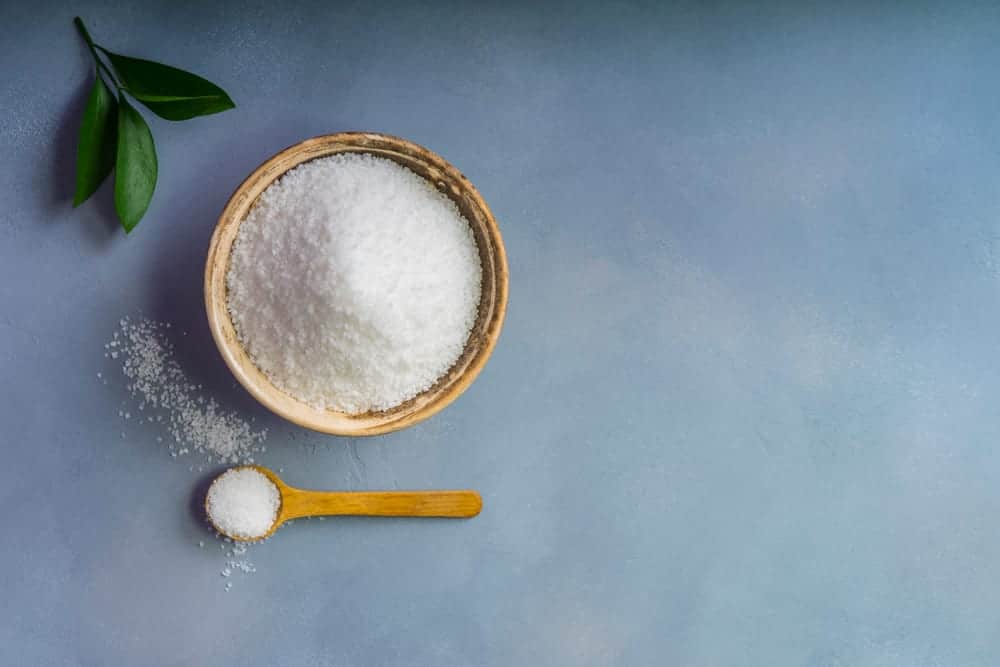
Table Salt. Shutterstock.

3. Table Salt

This is a strange one because salt is essential for our health. It helps regulate our blood pressure, control fluid balance, and helps our muscles and nerves function correctly. It can also be used as a remedy for heat stroke, soothe sore throats and treat tooth and gum issues. But even though it’s an important part of our diet, too much can cause a lot of damage. Table salt is a very common staple in many households all over the world but is considered to be the least healthy type of salt. Sodium balance in the human body is extremely important. A high salt diet will alter this sodium balance, causing the kidneys to have reduced function and remove less water resulting in higher blood pressure. This puts strain on the kidneys and can lead to kidney disease.

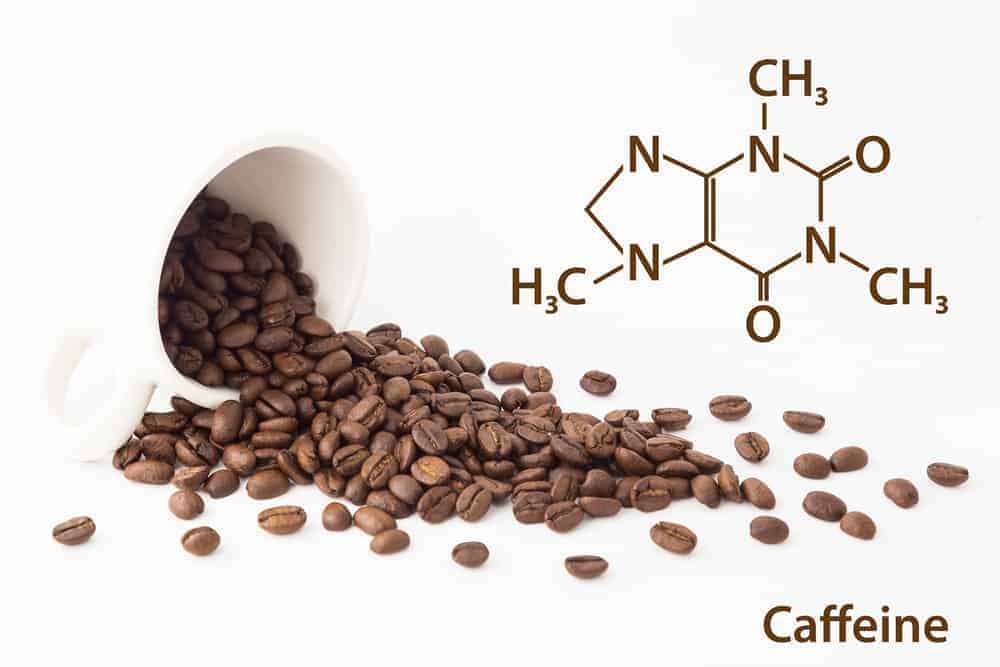
Caffeine. Shutterstock.

4. Caffeine

For many, caffeine is essential to starting every day – especially in coffee form. Caffeine is a natural stimulant, found in many different foods and drinks like coffee, tea, cocoa, and chocolate. The Food and Drug Administration (FDA) consider caffeine to be both a drug and food additive, and it is likely to be the world’s most popular stimulant. According to the 2013 online survey conducted by the National Coffee Association, over 587 million cups of coffee are drunk per year in the US alone. But even though caffeine is a popular pick-me-up, there can be detrimental side effects. Because caffeine is a stimulant, it speeds up the central nervous system, making the brain send and receive messages at a faster rate than usual. Caffeine stimulates blood flow, which places additional stress on the kidneys, and this can also increase blood pressure.

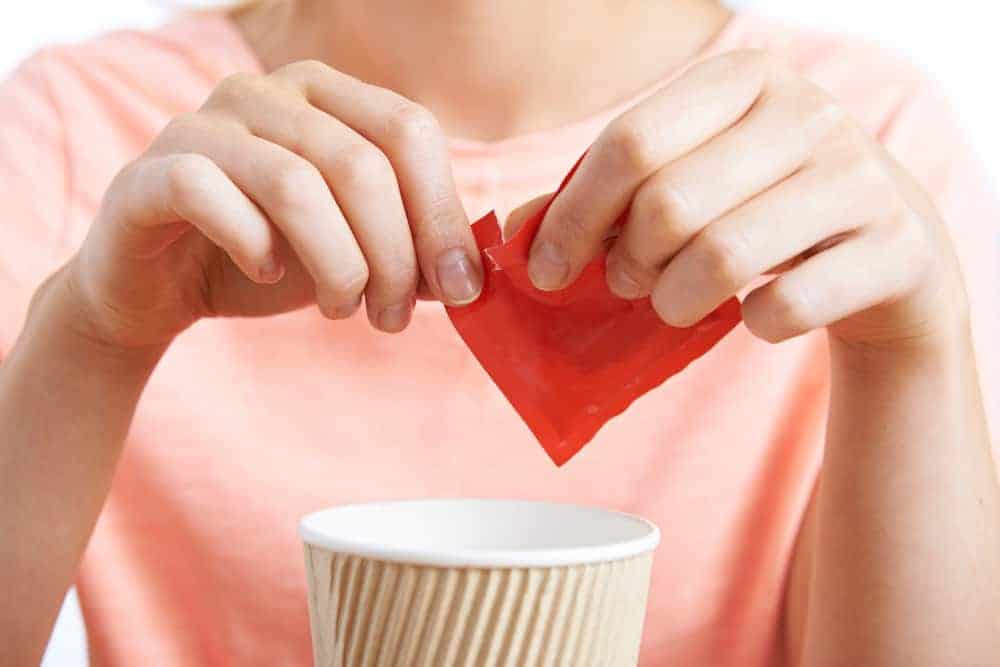
Artificial sweeteners. Shutterstock.

5. Artificial Sweeteners

Artificial sweeteners have been around since the 1800s, with saccharin the first to be discovered. Many people who already struggle with weight or diabetes will often turn to these sweeteners as a substitute for regular sugar. There are many various types of artificial sweeteners these days, including aspartame, found in Equal and NutraSweet; sucralose, found in Splenda; acesulfame, found in Sunette and Equal Spoonful; saccharin, found in Sweet ‘N Low; and xylitol, found in Perfect Sweet. Artificial sweeteners are highly addictive. Too much can cause headaches, migraines, weight gain, and increase the risk of obesity, diabetes, and cardiovascular disease. A diet high in sugars and sweeteners also puts you at risk of dental problems like cavities and tooth decay. Research published by the National Center for Biotechnology found that two or more servings per day of artificially sweetened soda was associated with increased chances of a decline in kidney function in women.


Here are our Sources: 

https://www.kidney.org/news/kidneyCare/winter10/AlcoholAffects

https://www.webmd.com/a-to-z-guides/news/20160714/too-much-red-meat-might-harm-kidneys-study-suggests

https://www.kidney.org/newsletter/coffee-and-kidney-disease

https://www.ncbi.nlm.nih.gov


Categories
Health

The Best Creams for Treating Eczema

When you live with regular occurrences of eczema, the dry itchy skin and splotchy red spots unfortunately become the norm. Eczema is much more common than many would think; it affects 31.6 million Americans according to Medical News Today. There are different types and stages of eczema, however, and can vary in severity. The National Eczema Association lists very common symptoms with eczema:

  • Itch
  • Dry, sensitive skin
  • Inflamed, discolored skin
  • Rough, leathery or scaly patches of skin
  • Oozing or crusting
  • Areas of swelling

However, it is important to consult a physician because Eczema affects everybody differently. And there are seven different types, so to find out what’s best for you, seeking professional help will be the best bet. However, if you have already gone through these steps and wish to find the best cream to help treat your eczema, this is the right place to start.


1. Kamedis Dermatology Eczema Therapy Wash – $14.99

This is perfect for the eczema-sufferer who has a spot or two on their face. It can be used for both eczema or atopic dermatitis. It’s affordable price tag makes it ideal to try out. This is a gentle foaming wash you can incorporate into any nightly routine. It soothes itchy skin and strengthens the skin’s natural barrier. Any age suffering from eczema-related itchy, dry skin can feel safe using this wash.


2. Eucerin Eczema Relief Cream – $9.38-$12.59

This cream can be found online or sometimes in stores for 24 hours hydration. This clinically tested option can relieve itching, minor irritation and dryness. This is a great option for those who have eczema spots and irritation under their clothes. This cream’s simple formula includes, colloidal oatmeal (a skin protectant), ceramide 3, and licorice root extract. It’s safe for infants as young as 3 months. 


3. Cetaphil Baby Soothing Wash – $8.49

If you’re dealing with a baby with eczema, it’s ideal to stay away from creams and washes with fragrance or harsh chemicals. Cetaphil has created a soothing wash for infants prone to skin irritation. Safe for babies as young as 3 months, this wash gently cleanses and soothes, while rinsing off easily. This is also a great solution for any adult with sensitive skin.


4. Neutrogena Hydro Boost Whipped Body Balm – $6.49

Wow, this cream is a cheap option for anybody with skin irritation! One of the key ingredients in this one is hyaluronic acid. It’s basically a moisturizer superhero. It’s like a sponge that can bind to 1,000 times its weight in water to moisturize the skin. It can do away with the dryness associated with eczema by moisturizing for up to 12 hours.


5. Aquaphor Advanced Therapy Healing Ointment – $13.74

This is a skincare essential you can find at any local pharmacy. If it was hard to pack your skincare essentials for a trip and you find yourself with an eczema flare up, run to the pharmacy and pick up this cream. Additionally, the barrier this moisturizer forms can help protect from cold as well as dry skin. Since this is such a large tub (and it goes farther than you’d think) consider this as a treat-all solution. It can help with dry hands, chapped lips, dry feet, etc.

Categories
Health

Common Types and Symptoms of Anemia

Anemia is a tricky and simple condition all at the same time. On one hand, it’s tricky because many people suffering symptoms of anemia may not realize that there is an underlying issues. On the other hand, it’s simple because a simple blood test can determine whether or not you have anemia.  However, the cause of anemia many not be so simple. Anemia is a condition in which you lack enough healthy red blood cells to carry adequate oxygen to your body’s tissues. Having anemia can make you feel tired and weak.

There are many forms of anemia, each with its own cause. Anemia can be temporary or long term, and it can range from mild to severe. See your doctor if you suspect that you have anemia because it can be a warning sign of serious illness. Anemia itself can be treated by taking supplements recommended by your doctor. But just make sure you’re getting a full review so that you know what caused the anemia in the first place. Let’s take a look at some of the possibilities.

Symptoms of Anemia


Anemia. Shutterstock.

It is mostly common knowledge that the most common symptoms of anemia can be weakness and fatigue. But that doesn’t mean those are the only signs you may be struggling with this condition. The symptoms can vary from mild to severe and include the following:

  • Dizziness, lightheadness, or feeling like you are about to pass out
  • Fast or unusual heartbeat
  • Headache
  • Pain, including in your bones, chest, belly, and joints
  • Problems with growth, for children and teens
  • Shortness of breath
  • Skin that’s pale or yellow
  • Cold hands and feet
  • Tiredness or weakness

If you are experiencing one or more of these symptoms, it’s time to make an appointment with you healthcare provider.

Causes of Anemia


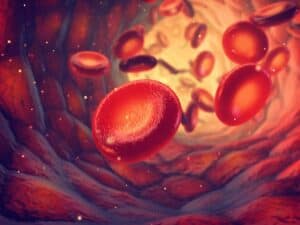
Red Blood Cells. Shutterstock.

While each case of anemia can vary from person to person, there are a few different possibilities for why it happens. However, do not take this as an end-all guide, because there can be up to 400 different causes for anemia. Here are a few common ones.

  • Iron deficiency anemia – This most common type of anemia is caused by a shortage of iron in your body. This is an issue because it can impeded your ability to create hemoglobin. This comes from your bone marrow and without enough iron, the body cannot produce enough hemoglobin for the red blood cells. Pregnancy can be a major cause of this type of anemia. Blood loss, ulcers, over the counter medications, and cancer can also be factors.
  • Vitamin deficiency anemia – This term is actually pretty straightforward. Your body needs more things than just iron to produce red blood cells. You also need a healthy balance of floats and vitamin B-12 in your diet to create those healthy red blood cells. But keep in mind: some people may consume enough B-12 but aren’t able to absorb the vitamin. This can lead to vitamin deficiency anemia, also known as “pernicious anemia”.
  • Anemia of inflammation – Some disesases — such as cancer, HIV/AIDS, rheumatoid arthritis, kidney disease, Crohn’s disease and other acute or chronic inflammatory diseases — can interfere with the production of red blood cells.
  • Aplastic anemia – This particular type of anemia is rare and life threatening. It happens when your body simply cannot produce enough red blood cells. Causes of aplastic anemia include infections, certain medicines, autoimmune diseases and exposure to toxic chemicals.
  • Anemias associated with bone marrow disease – Leukemia and myelofibrosis are terrible enough on their own, however, these conditions can also cause anemia by affecting blood production in your bone marrow. The effects of these types of cancer and cancer-like disorders vary from mild to life-threatening.
  • Hemolytic anemias – This group of anemias develops when red blood cells are destroyed faster than bone marrow can replace them. Certain blood diseases increase red blood cell destruction. You can inherit a hemolytic anemia, or you can develop it later in life.
  • Sickle cell anemia – This type of anemia is inherited. It’s caused by a defective form of hemoglobin that forces red blood cells to assume an abnormal crescent (sickle) shape. These irregular blood cells die prematurely, resulting in a chronic shortage of red blood cells.

Risk Factors


People 65 years and older are at higher risk of developing some sort of anemia. Shutterstock.

We’ve gone over a few causes of anemia, but now it’s time to analyze who is the most at risk for developing this condition.

  • Diets lacking Iron, B-12, and Folates.
  • Intestinal disorders  such as Crohn’s and others
  • Menstruation and heavy blood loss associated with this
  • Pregnancy
  • Chronic conditions such as cancer, diabetes and more
  • Family history of anemia or conditions that cause it
  • Other factors such as infections, blood disease and autoimmune disorder
  • Alcoholism
  • Individuals over the age of 65

Prevention


Iron rich foods. Shutterstock.

Of course many causes of anemia may not be preventable. But anemic conditions such as iron deficiency anemia and vitamin deficiency anemias can be helped by paying attention to the consumption of these important vitamins and minerals:

  • Iron. Iron-rich foods include beef and other meats, beans, lentils, iron-fortified cereals, dark green leafy vegetables, and dried fruit.
  • Folate. This nutrient, and its synthetic form folic acid, can be found in fruits and fruit juices, dark green leafy vegetables, green peas, kidney beans, peanuts, and enriched grain products, such as bread, cereal, pasta and rice.
  • Vitamin B-12. Foods rich in vitamin B-12 include meat, dairy products, and fortified cereal and soy products.
  • Vitamin C. Foods rich in vitamin C include citrus fruits and juices, peppers, broccoli, tomatoes, melons and strawberries. These also help increase iron absorption.
Categories
Health

The Seven Best Life Insurance Options For Seniors In 2021

Are you searching for senior life insurance? Perhaps you wish to make sure your children are taken care of financially after you are gone. Although you need life insurance to cover final expenses, traversing the many different insurance options can be a daunting task.

Life insurance costs vary greatly. There are many ways to get great insurance for seniors at a great price. There are two main types of life insurance: Term Life Policies and Permanent Life Insurance. Below you will find seven companies that have excellent coverage available for seniors according to Investopedia

Banner

Shutterstock

For 180 years, Banner has been a competitive company in the life insurance business. Not only do they boast a positive record with rating agencies, but they also hold a Superior Financial Stability rating from AM Best. Banner has many insurance options ranging from term and final expense to universal life. You must be 75 or younger to purchase a policy, but coverage can be renewed up to 90 years of age depending on policy terms. If pricing is one of your major factors in purchasing term life insurance, Banner is by far the best option for seniors.

Transamerica

Shutterstock

Founded in 1928, Transamerica is one of the few companies that allows seniors over 80 to sign up for whole life and term insurance policies. They have policies that are available to seniors up to 85 at reasonable prices. Not only that, but Transamerica touts an A rating with AM Best. Transamerica’s final expense life policies are available up to 85 years of age and higher death benefit limits than other companies. Furthermore, the majority of their offerings have full benefits available from policy inception.

AIG

Shutterstock

When covering final expenses such as funeral and other end-of-life costs is your concern, AIG is the clear leader in guaranteed whole life insurance policies. With policies requiring no medical exam, pricing on the lower end of the scale, and coverage up to age 85, AIG’s policies deliver comfort in knowing that the family will not have to cover your funeral costs. AIG offers all of this, along with access to benefits in case of a chronic or terminal illness. 

Gerber

Shutterstock

It’s no secret that Gerber offers unparalleled coverage for your grandchildren’s future with their Gerber Grow-Up Plan. There are many advantages to a plan with Gerber. The premiums will never go up, and the policy’s face value doubles at age 18. When they turn 21, your grandchild automatically becomes the policy owner and can decide between a cashout option or continuing coverage for life. That is especially useful for children who may not be eligible for life insurance as adults.

Prudential

Shutterstock

Prudential features an impressive A+ rating from AM Best. They carry numerous life products, and many of their policies contain accelerated death or living benefits. They maintain a variety of living benefits, including three serious illness riders and three disability riders. These are available with many types of policies. You can use them if you are in a nursing home for at least six months after a permanent placement. Policyholders can also use them if they have a terminal illness where it is determined they have less than six months to live. 

MassMutual

Shutterstock

MassMutual has AM Best’s best rating of A++, and is the leader in whole life policies for seniors. Unlike other insurers, MassMutual has a convertible policy that begins as term life and can be converted to a whole life policy. You can purchase this Direct Term insurance plan up to age 64. After the issue of age has passed, you can transfer it to the new senior policy. 

Mutual of Omaha

Shutterstock

Finally, another great senior life insurance option comes from Mutual of Omaha. The company offers term, whole, and universal life insurance policies with malleable options. Not only does Omaha offer fair and competitive pricing options, but their customer service ratings from many different agencies list them at or near the top of their lists, and they boast an A++ rating from AM Best.

Categories
Health

5 Natural Ways to Lower Cholesterol

Cholesterol. It’s a dreaded word by many. And we know it’s a major contributor to overall health and a catalyst for heart attacks. But what is it really? There are many ways to manage it, but aren’t there ways we could keep it in check without turning to prescription medications? In fact, there are many different ways to manage cholesterol levels. But let’s take a look at how it’s made and how it affects our health first.

According to the American Heart Association, “Cholesterol is a waxy substance. It’s not inherently ‘bad.’ Your body needs it to build cells and make vitamins and other hormones. But too much cholesterol can pose a problem.” In fact, cholesterol can come from two sources, your liver and foods from animals. Your liver makes all the cholesterol you need. The extra cholesterol in your body comes from animal products. For example, meat, poultry and dairy products all contain dietary cholesterol. Those same foods are high in saturated and trans fats. These fats cause your liver to make more cholesterol than usual. For some people, this added production means they go from a normal cholesterol level to one that’s unhealthy.

Your doctor can run tests and help you determine if you have too much cholesterol working against you. But to ensure you are keeping it under check at home, try these natural methods.

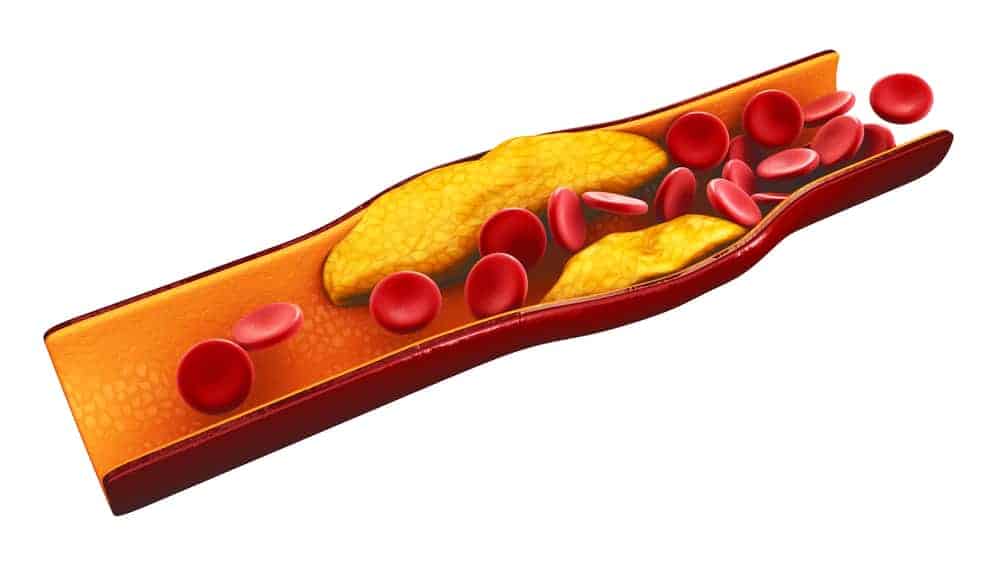
Cholesterol causes waxy build up in arteries. Shutterstock.

Understanding LDL and HDL

We will try to put this as simply as possible since there are many complicated factors that go into cholesterol. Different kinds of lipoproteins have different effects on health. High levels of low-density lipoprotein (LDL) result in cholesterol deposits in blood vessel walls, which can lead to clogged arteries, strokes, heart attacks and kidney failure.

In contrast, high-density lipoprotein (HDL) helps carry cholesterol away from vessel walls and helps prevent these diseases. In simplified terms, it’s going to be best to increase the “good” HDL cholesterol and lower the “bad” LDL cholesterol.

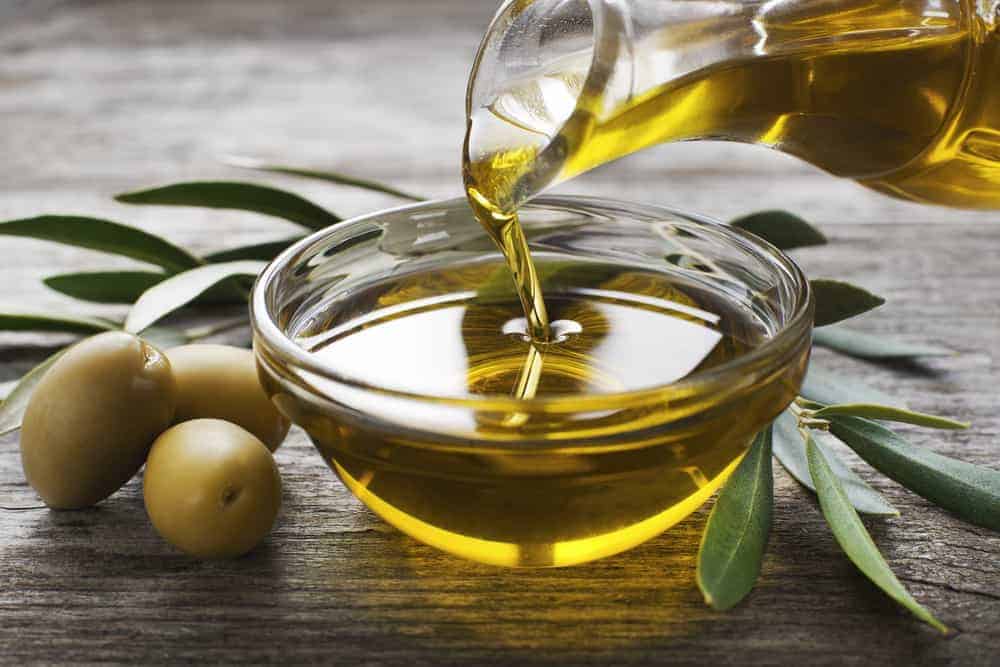
Olives and olive oils are great monounsaturated fats. Shutterstock.

Incorporate Monounsaturated Fats Into Your Diet

Monounsaturated fats are healthy because they decrease harmful LDL cholesterol, increase good HDL cholesterol and reduce harmful oxidation. As opposed to saturated fats, unsaturated fats have at least one double chemical bond that changes the way they are used in the body. Monounsaturated fats have only one double bond. It may seem like common sense to follow a low-fat diet for weight loss, but a study of 10 men found a 6-week, low-fat diet reduced levels of harmful LDL, but also reduced beneficial HDL.

Actually, a diet high in monounsaturated fats reduced harmful LDL, but also protected higher levels of healthy HDL.Contrary to the belief that cutting all fats from a diet, it seems as though that would be much more harmful than just sticking to foods that are high in monounsaturated fats. This includes olives and olive oil, canola oil, almonds, walnuts, pecans, hazelnuts, cashews, and avocados.

Margarine and shortening are big trans fats. Shutterstock.

Avoid Trans Fats

Trans fats are unsaturated fats that have been modified by a process called hydrogenation. This is the process that also makes shortenings and margarine partially hydrogenated oils. These add textures, so many people and companies like to use these in their products. Unfortunately, the body can’t handle these partially hydrogenated trans fats the same way. Trans fats increase total cholesterol and LDL, but decrease beneficial HDL by as much as 20%.

But if you’re thinking you can just read the labels and avoid trans fats… we may have a problem there. Unfortunately, labels can be misleading when listing their trans fats. Companies are allowed to round down the amount of trans fat per serving. If it is less than 0.5 grams, they can say there are zero. This means some foods contain trans fats even though their labels say “0 grams of trans fat per serving.” To be safe, read the ingredients label in addition to the nutrition label. If a product contains “partially hydrogenated” oil, it has trans fats and should be avoided.

Exercise makes a huge difference in controlling cholesterol and heart health. Shutterstock.

Exercise

Yeah, I know this is a no-brainer, but it truly is important for heart health. But this is also important for cholesterol. In one study, twelve weeks of combined aerobic and resistance exercise reduced the especially harmful oxidized LDL in 20 overweight women. Based on this study, “30 minutes of activity five days a week is enough to improve cholesterol and reduce the risk of heart disease. Ideally, aerobic activity should raise the heart rate to about 75% of its maximum. Resistance training should be 50% of maximum effort. Activity that elevates the heart rate to 85% of its maximum increases HDL and also decreases LDL. The longer the duration, the greater the effects.”

Always make sure to check your exercise regimen with your doctor. Especially if you have a history of heart issues; it’s best to consult a physician when deciding to do more strenuous physical exercise. But in summary, any type of exercise improves cholesterol and promotes heart health – whether it is walking or swimming. The longer and more intense the exercise, the greater the benefit.

Quit Smoking. Shutterstock.

Don’t Smoke

Okay, another obvious one. But many people believe that diet and exercise are the only factors that affect cholesterol. Actually, smoking can be a huge factor when talking about cholesterol and heart health. Smoking changes the way your body can process cholesterol. Unlike many other issues that are caused by nicotine, this issue with smoking actually has to do with the tar.

The immune cells in smokers are unable to return cholesterol from vessel walls to the blood for transport to the liver. These dysfunctional immune cells may contribute to the faster development of clogged arteries in smokers. Cigarette smoke raises levels of LDL, or “bad” cholesterol, and a blood fat called triglycerides.

Categories
Application Health

Six Important Factors To Consider When Choosing Medicare Coverage

When you turn 65, you’re eligible to enroll for Medicare coverage. Medicare is health insurance for older adults on behalf of the federal government. It’s critical to do your research about Medicare before open enrollment every year.

The internet has a plethora of resources about Medicare and all of its options. While researching, you should make a list of what your specific needs are. That will help you ensure that your Medicare plan covers what you need. Read on to learn about six vital factors you should consider when choosing Medicare coverage.

Determine the Type of Coverage You Need

Shutterstock

Your Medicare coverage decides essential factors that impact your healthcare. The options you select will determine everything from which doctors are covered under your plan to your out-of-pocket costs. That’s why it’s vital to enroll in coverage that includes the services you need most. Medicare has two types of coverage. The first is Original Medicare or Medicare Parts A and B. The second type is Medicare Advantage, or Part C. Medicare Advantage offers all of the services in Original Medicare with some additional coverage. Research what each of these plans covers.

Do You Plan to Travel?

Shutterstock

Individuals over 65 years old who plan to travel outside of the United States may want to review their options and coverage under Medicare. Both Original Medicare and Medicare Advantage plans typically do not cover any medical care received outside of the United States. If this is your scenario, you may be able to purchase additional coverage or a different plan that does cover international healthcare costs. Yet be sure to read the fine print to be aware of precisely what’s covered.

Review Who Accepts Medicare In Your Area

Shutterstock

Never assume a doctor accepts Medicare. Every doctor varies on the types of health insurance and policies or plans they receive. While some welcome Medicare, others do not. Before choosing your coverage and enrolling, check with your doctors to see if they will take Medicare. Original Medicare allows people to see any doctor who accepts Medicare, whereas Medicare Advantage may require you to see doctors or go to hospitals that participate in the plan’s network. Get the details from your doctor before making any changes to ensure you can continue seeing your current doctor. 

Adding Supplemental Coverage

Shutterstock

You also have the option to increase your Medicare coverage by adding supplemental insurance. You can purchase supplemental insurance, or Medigap, from a private insurance company. Some of these gaps can include extra costs to you, such as copayments, coinsurance, and deductibles. The purpose of the Medigap plan is to help eliminate some of these additional costs or a portion of them. Keep in mind that you can only get a Medigap plan if you are enrolled in Original Medicare. It’s also important to note that a supplemental plan requires a monthly premium, and you may still have additional healthcare costs that you’ll be required to pay out of pocket. 

Do You Need Prescription Drug Coverage? 

Shutterstock

When determining your coverage needs, it’s important to assess prescription needs. Medicare plans don’t usually cover all prescription costs. If you have many prescriptions, you should be aware that Medicare limitations may leave you with high out-of-pocket costs. If this is your scenario, you can join a Medicare Prescription Drug Plan or Part D. This additional plan will cover many medications and lower out-of-pocket costs. Be sure to review all of the details of your prescription drug coverage before making any changes. There are sometimes limitations or exclusions that people are unaware of. Review your regular prescriptions to ensure you are covered under your current plan, Part D, or Medicare Advantage plan. 

Figure Out-of-Pocket Costs

Shutterstock

Finally, research and determine how much your Medicare choices will cost you. Many individuals over 65 years old live on a fixed income. Although it is crucial to ensure that all of your health needs are covered, it’s vital to know the amount you will pay out-of-pocket. Medicare is more complicated than just the premium costs. Although some premium rates are $0, there may be other costs you are responsible for. When researching potential costs, consider the monthly premium, copayments, annual deductible, prescription drug copayments, and yearly limits on out-of-pocket costs. Make sure to check your plan closely as each is different. 

Categories
Beauty Health

People’s Favorite Shampoos for Thinning Hair

While you may have first noticed your thinning hair when the ends of your hair started looking more sparse, the root of thinning hair actually starts at the scalp—not on your ends. So using the right shampoo is extremely important for bringing thickness back to your hair. The best shampoos for thinning hair can improve volume, growth, and circulation of the follicles, creating an environment for hair to thrive.

If you’re wondering if your hair loss is normal, don’t panic, people actually lose between 50-150 strands of hair per day. This can also vary based on your hair’s current cycle. There are three stages of hair growth in the cycle, from actively beginning growth from the root to hair shedding. These are known as the Anagen phase, Catagen phase and Telogen phase.

Anagen phase – The Anagen phase is the period of growth. The cells in the hair bulb divide rapidly creating new hair growth. Hair actively grows from the roots for an average of 2-7 years before hair follicles becomes dormant. In this time, hair can grow anywhere between 18-30 inches. The length of this phase is dependent on your maximum hair length, which varies between people due to genetics, age, health and many more factors.

Catagen phase – Second, your hair goes through the cycle known as the Catagen phase. This phase is shorter than the others, lasting only 2-3 weeks on average. In this transitional phase, hair stops growing and detaches itself from the blood supply and is then named a club hair.

Telogen phase – This phase begins with a resting period, where club hairs rest in the root while new hair begins to grow beneath it. This phase lasts for around 3 months.

After these phases, the resting club hairs will fall out. This allows new hairs to come through the follicle.  But don’t panic, this is a natural process that you may not even notice. Thankfully, each follicle is independent and goes through the growth cycle at different times so you don’t lose patches of hair all at once and only shed 50-100 hairs each day. Meanwhile, the other 80-90% of your hair will be in the Anagen phase, so it’s mostly still growing.

If you feel like you’re losing hair beyond the normal cycles and it’s getting increasingly thinner over time, there could be a variety of things happening, from lifestyle to hormone changes. Men and women both experience hair loss. If you feel this is happening to you, it may be time to introduce some shampoos that will help your hair stay thick and vibrant. Following are a few tried and true shampoos.

Kérastase Densifique Bain Densité Shampoo

This is a great shampoo that will strengthen hair and leave it feeling more resilient than before. While this shampoo boosts strength, it’s actually a very gentle cleanser packed with ceramides and hyaluronic acid. The ceramides are a type of lipid and natural component of hair. In shampoos, it’s used to improve elasticity so it can hold moisture and create that strengthening effect. Hyaluronic acid will soak up moisture and lock it into your hair.

Plantur 39 Phyto-Caffeine Shampoo 

Shampoos containing phyto-caffeine have been shown to reduce hair thinning caused by androgenic alopecia. Plantur 39 hair care products are marketed and developed specifically for the hair and scalp during menopause. Additionally, Plantur 39 contains zinc, which nourishes weaker strands, and niacin, which improves the look and appearance of hair.

Andalou Naturals Argan Stem Cell Age-Defying Shampoo

This shampoo is a very affordable option for people suffering from hair thinning due to age. This is a sulfate free formula that is safe for color treated hair. Enriched with argan stem cells, this formula offers up a much-needed dose of nourishment, smoothness, and shine.

Alterna Haircare Caviar Anti-Aging Clinical Densifying Shampoo

This formula supports the reduction of Dihydrotestosterone (DHT) and eliminates residue that leads to thinning. DHT is derived from testosterone. Testosterone is a hormone that’s present in both men and women. DHT can link to receptors on hair follicles in your scalp, causing them to shrink and become less capable of supporting a healthy head of hair. This formula tries to overcome that issue in hair, allowing your locks to thrive.

Botanical Hair Growth Lab Lavender Cypress Thickening Shampoo

This one is a healthy alternative to some more harsh shampoos. This formula is a soothing option for your scalp and promotes circulation. Certain components in lavender, such as linalyl acetate, linalool, and geraniol may help promote hair and skin cell growth. In addition to lavender and caffeine, this shampoo contains several beneficial botanical ingredients which can have benefits for thinning hair and for promoting hair volume. These include sage, calendula, aloe vera, and green tea extract.