
Living with arthritis can be very difficult. While there are many different forms of arthritis, learning how to cope and treat your ailments is always the most important thread. If you have arthritis, it is possible your doctor has spoken to you about different treatment options for your specific circumstance. Staying on top of these treatments and everyday is essential to maintaining a healthy lifestyle. But something that can supplement the treatment your doctor has laid out for you is supporting your body with a healthy diet.
It is generally agreed upon that a Mediterranean diet is considered to be a healthy option for somebody with arthritis. A diet rich in fruits, vegetables, fish, nuts and beans but low processed foods and saturated fat, is not only great for overall health, but can also help manage disease activity. These are the defining principles of the Mediterranean diet, praised for its anti-aging and disease-fighting powers.
Fish
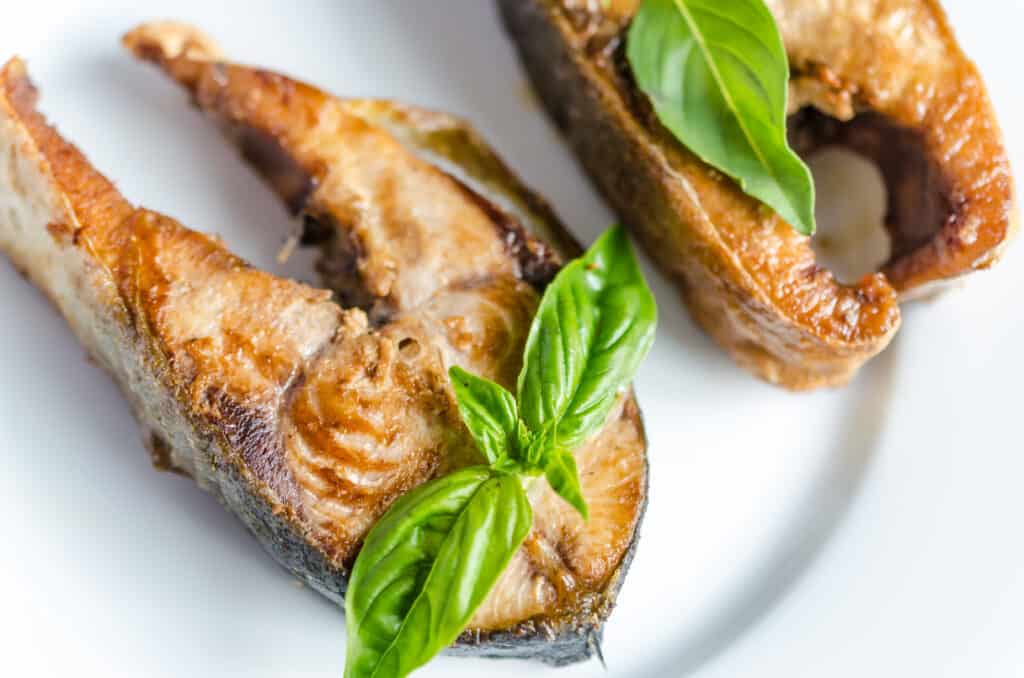
Fish oil supplements have been used to improve pain for a very long time. It’s also know to increase remission rates in rheumatoid arthritis patients taking triple therapy. So, naturally, incorporating fish into an arthritis diet is one of the first tips. Some types of fish are good sources of inflammation-fighting omega-3 fatty acids. Salmon, tuna, sardines, herring, anchovies, scallops and other cold-water fish are packed with these nutrients. But if you’re someone who dislikes fish, you can always just take a fish oil supplement. Studies show that taking 600 to 1,000 mg of fish oil daily eases joint stiffness, tenderness, pain and swelling.
Fruits & Veggies

Getting fruits and veggies in a diet has been hammered into our brains since childhood. But for those suffering with arthritis, this is especially important. Green, leafy vegetables such as broccoli, spinach, brussel sprouts, kale, Swiss chard and bok choy are packed with antioxidants like vitamins A, C and K, which protect cells from free-radical damage. These foods are also high in bone-preserving calcium. If you are a fan of fruit, your best sources are blueberries and cherries – the brighter the fruit, the better! Try to get nine or more cups of these a day.
Nuts & Seeds
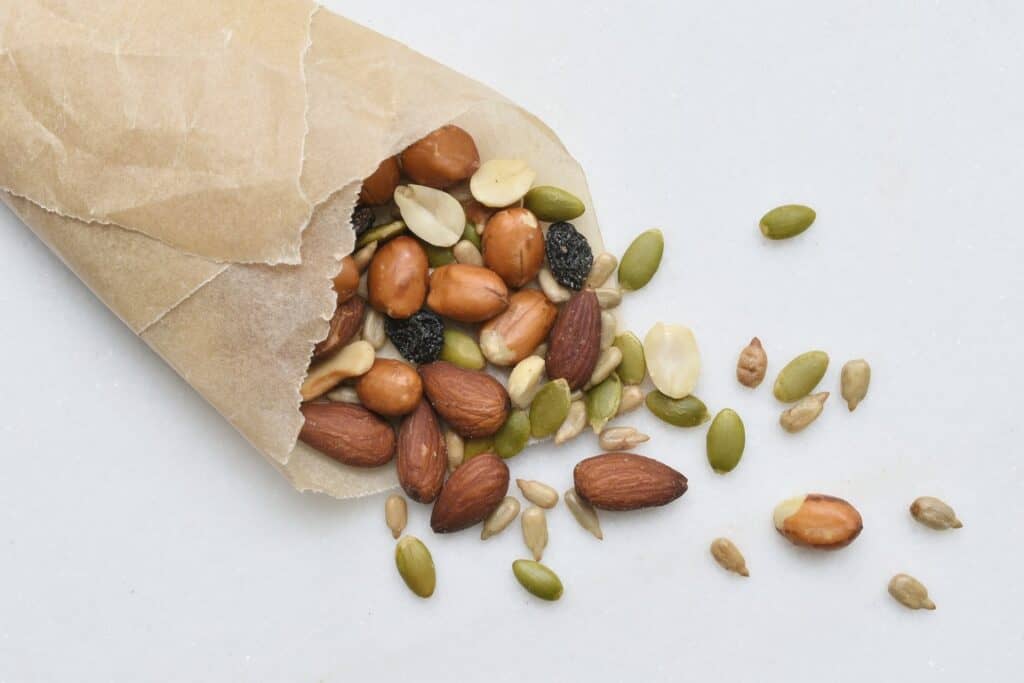
Many nuts and seeds are a good source of polyunsaturated and monounsaturated fats, which lower cholesterol and reduce the heart disease risks that can be higher in people with certain types of arthritis. For people with arthritis, it’s recommended that you get at least 1.5 ounces of nuts or seeds a day. One ounce is about the equivalent to a handful. Here are some great nuts to snack on:
- Walnuts
- Peanuts
- Almonds
- Pistachios
- Flaxseed (added to food)
- Chia Seeds (added to food)
Olive Oil

Olive oil is a fantastic and easy way to start a Mediterranean diet for arthritis. Studies revealed that a compound in the oil, called oleocanthal, prevents the production of pro-inflammatory COX-1 and COX-2 enzymes – the same way ibuprofen works. Researchers found that this compound had a significant impact not only on chronic inflammation but also on acute inflammatory processes. Try to incorporate 2-3 tablespoons daily to reap the benefits of olive oil.
Whole Grains

Whole grains contain plenty of filling fiber – which can help you maintain a healthy weight while also benefitting arthritis treatments. Some studies have also shown that fiber and fiber-rich foods can lower blood levels of CRP, an inflammatory marker. Whole-wheat pasta and breads also have selenium, an antioxidant which, as we learned earlier, can protect cells from free-radical damage. Sometimes, it’s as easy as choosing brown rice over white rice. Just make sure that you get around six ounces of grains per day; at least three of which should come from whole grains. One ounce of whole grain would be equal to ½ cup cooked brown rice or one slice of whole-wheat bread.