Categories
Healthy

How Japanese Women Look Eternally Youthful

Japanese culture is beautiful. It’s full of peaceful people and joyful traditions. Japan is an archipelago made up of four major islands and over 6,000 minor ones. It is home to a wide range of geographical, cultural and historical diversity. Japanese women are known for their delicate, slim and youthful looks. On top of the outward beauty, the life expectancy of Japanese people is the highest in the world. This is due to Japanese culture, and the lifestyle choices they make. Unlike an individualist Western country, the Japanese take pride in belonging to a group and functioning together. Their lives are embedded with the idea of being better in a group and they love the feeling. Day in and day out, the goal of the Japanese people is making their country a better and more efficient place. Every single part of their day is committed to efficiency, health, and improvement.
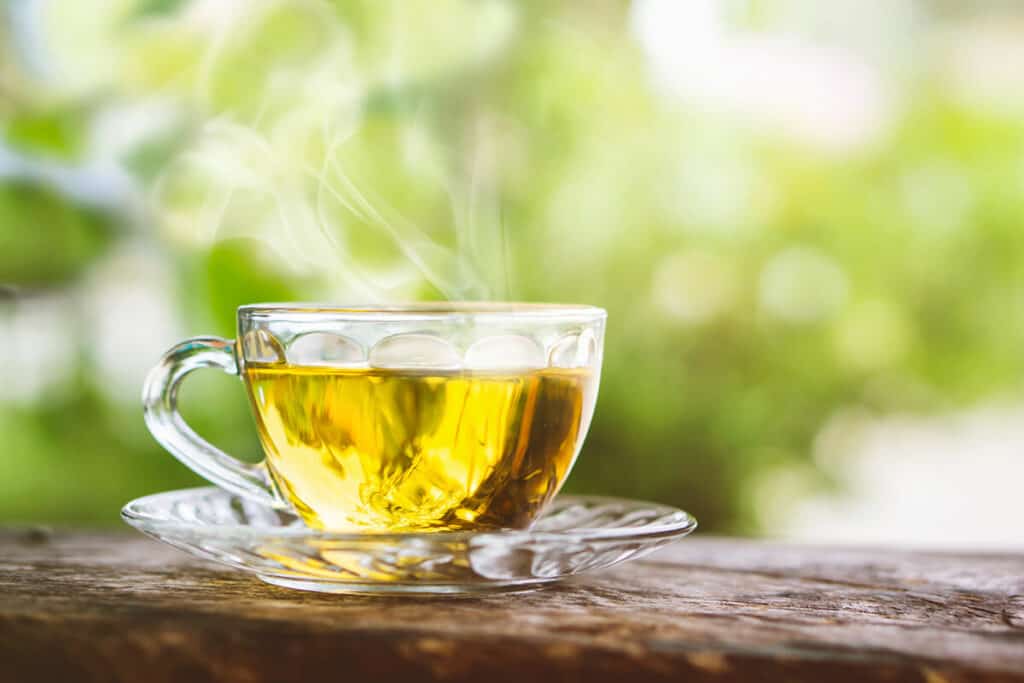
Green tea. Freepik.

1. Frequently Drinking Green Tea

Green tea has long been reputed to be one of the healthiest drinks on the planet. It has been used in China since the 8th century and has made its way across every continent. Green tea is made from un-oxidized leaves of the Camellia sinensis bush. Green tea has long been used in many cultures for its various medicinal properties. In Indian culture, it’s used to control bleeding and even support healing wounds. It also aids digestion, improves mental and heart health, and regulates body temperature. It’s full of antioxidants and nutrients and has a powerful effect on health when it’s consumed. The leaves used to make green tea contain bioactive compounds and phytonutrients like flavonoid and catechins. Green tea contains a catechin called epigallocatechin-3-gallate (EGCG). Catechins are natural antioxidants that help prevent cell damage and provide other benefits.
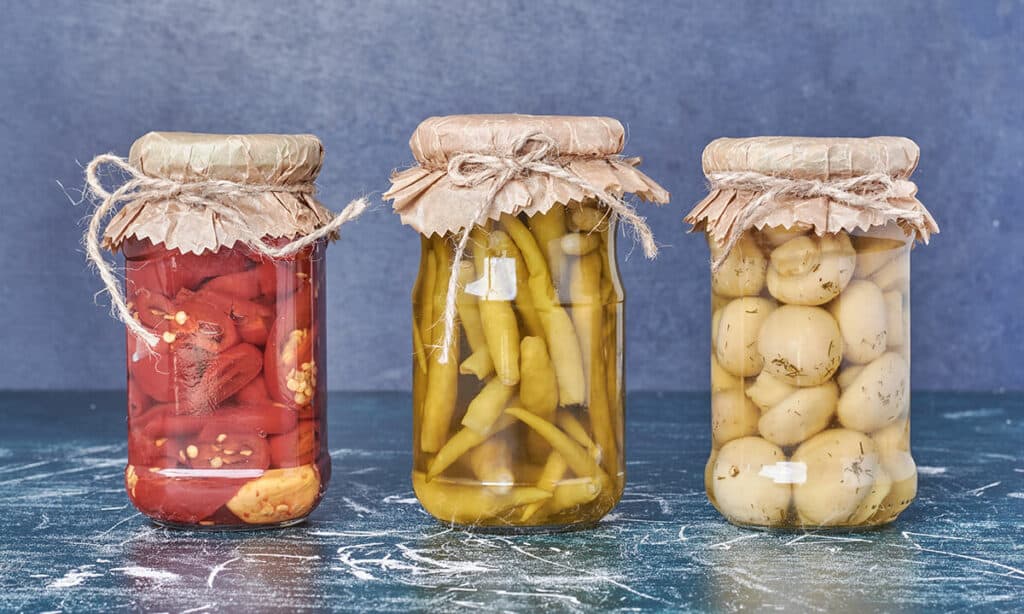
 

Fermented foods. Freepik.

2. Consuming Fermented Foods

Fermentation is a metabolic process that uses natural microorganisms like bacteria or yeast to feed on sugars and starch. This process preserves the food and creates beneficial enzymes, B-vitamins, omega-3 fatty acids, and probiotics. It’s possible that the probiotics consumed from daily diets that include fermented foods may contribute to longevity and healthy aging. There are many factors correlated with healthy aging (including genes), but diet seems to play a huge role in the formula for aging well and in maintaining quality of life. Aside from adding “good” bacteria to the gut, fermented foods also increase levels of vitamin A and C and make foods more digestible. This way, you can remove toxins from the body, and eliminate anti-nutrients that interfere with the absorption of healthy vitamins and minerals


Seafood. Freepik.

3. Regular Consumption of Seafood

Japanese cuisine is rife with seafood. You can find a wide array such as squid, fish, octopus, eel, and shellfish. Seafood is a common ingredient in sushi, salad, curry, and tempura. It can also be grilled and served on its own alongside rice and miso soup. Seafood is a rich source of nutrients as it’s full of protein, vitamins, and minerals like B and D vitamins, omega-3 fatty acids and much more. Low in saturated fats, one of the greatest health benefits of a diet high in seafood is the promotion of a healthy heart. The omega-3 fatty acids found in seafood have many health benefits. They’ve been shown to significantly reduce the risk of cardiovascular events like arrhythmia, stroke, and heart attack, are effective at relieving pain caused by rheumatoid arthritis, can lower the risk of age-related macular degeneration, support proper brain growth in babies and children, and even has the potential to treat depression.
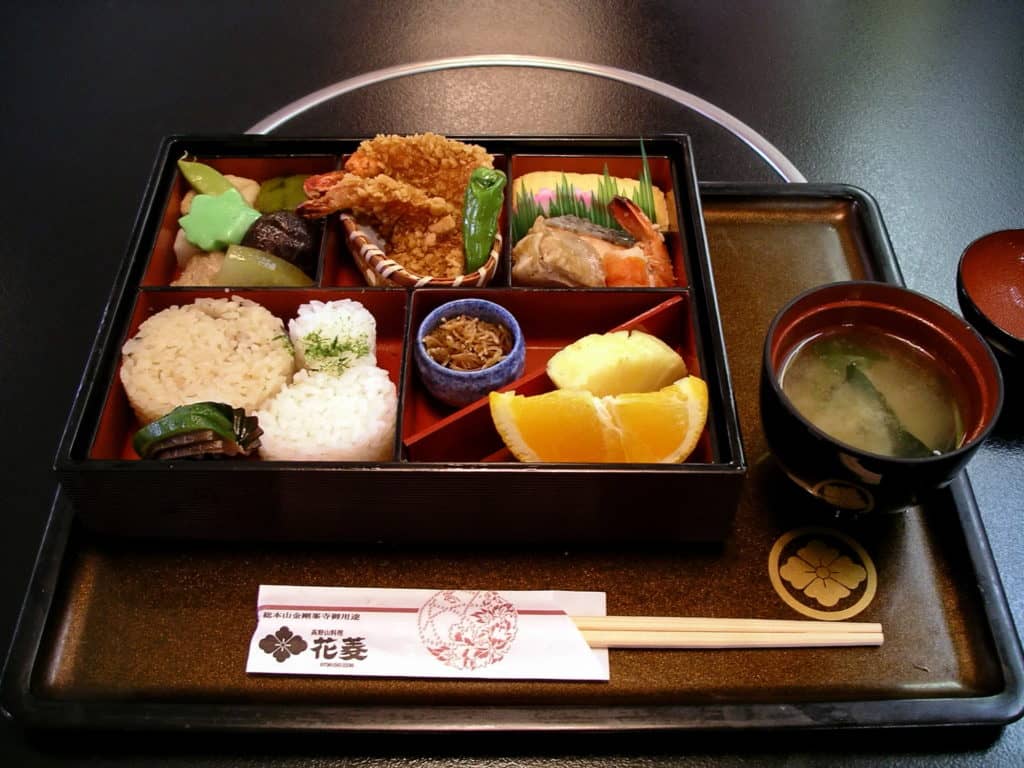
 

Smaller portions. Shutterstock.

4. Eating Smaller Portions

In Japanese culture, the phrase “ichiju-sansai” or “one soup, three sides” is applied at meal times. So a typical Japanese meal usually consists of a staple food like rice or noodles. It is paired with a main dish such as fish, chicken, pork or beef, with side dishes like pickled vegetables and miso soup. This may sound like a large amount of food, but the portions are all smaller-sized and based on seasonal ingredients. Japanese etiquette dictates that different flavors must not touch each other on the same plate. Therefore, every serving is presented on smaller serving plates. As such, the Japanese people generally do not heap their food onto the same plate like we do in Western culture, and this may contribute to their health and wellbeing. Portion size is an important factor in maintaining weight and ensuring you receive all the correct nutrition. With fast food and restaurants serving sizes from small through to extra-large, it’s easy to get confused about how much you should be eating.

 

Go for a walk to connect with your environment and get exercise. Shutterstock.

5. Walking is a Ritual

Japanese people have discovered that walking has many benefits. It’s a wonderful way to discover and explore the country while getting important exercise. Not only do Japanese people prefer to walk in the overcrowded cities to minimize traffic congestion, walking can also be considered as a Buddhist ritual. Around 90 million people in Japan consider themselves to be Buddhists, and as such many of them undertake the practice of walking meditation. Walking meditation is an easy exercise to do as it doesn’t require any fancy equipment, you just need a comfortable pair of shoes and you’re good to go. It involves deliberately thinking about each step, instead of just walking on autopilot as you normally might. So as you walk, focus on lifting one foot, moving it forward, and putting it down on the ground. Then focus on lifting the other foot, moving it forward, and taking the next step. Notice how your body weight shifts as you begin to walk forward, and simply go forward.


Here are Our Sources: 

https://www.turnto23.com/news/health/drinking-green-tea-could-lead-to-longer-life

https://www.bbc.com/future/article/20170601-the-secret-to-a-long-and-healthy-life-eat-less

https://ggia.berkeley.edu/practice/walking_meditation
everydayhealth.com/…/eat-fish-live-longer.aspx

Categories
Health

5 Natural Ways to Lower Cholesterol

Cholesterol. It’s a dreaded word by many. And we know it’s a major contributor to overall health and a catalyst for heart attacks. But what is it really? There are many ways to manage it, but aren’t there ways we could keep it in check without turning to prescription medications? In fact, there are many different ways to manage cholesterol levels. But let’s take a look at how it’s made and how it affects our health first.

According to the American Heart Association, “Cholesterol is a waxy substance. It’s not inherently ‘bad.’ Your body needs it to build cells and make vitamins and other hormones. But too much cholesterol can pose a problem.” In fact, cholesterol can come from two sources, your liver and foods from animals. Your liver makes all the cholesterol you need. The extra cholesterol in your body comes from animal products. For example, meat, poultry and dairy products all contain dietary cholesterol. Those same foods are high in saturated and trans fats. These fats cause your liver to make more cholesterol than usual. For some people, this added production means they go from a normal cholesterol level to one that’s unhealthy.

Your doctor can run tests and help you determine if you have too much cholesterol working against you. But to ensure you are keeping it under check at home, try these natural methods.

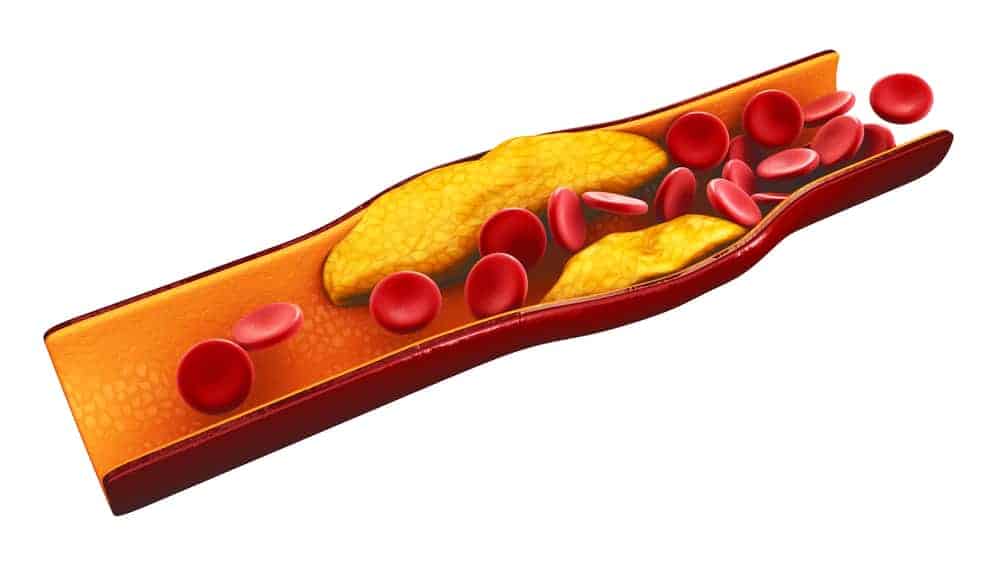
Cholesterol causes waxy build up in arteries. Shutterstock.

Understanding LDL and HDL

We will try to put this as simply as possible since there are many complicated factors that go into cholesterol. Different kinds of lipoproteins have different effects on health. High levels of low-density lipoprotein (LDL) result in cholesterol deposits in blood vessel walls, which can lead to clogged arteries, strokes, heart attacks and kidney failure.

In contrast, high-density lipoprotein (HDL) helps carry cholesterol away from vessel walls and helps prevent these diseases. In simplified terms, it’s going to be best to increase the “good” HDL cholesterol and lower the “bad” LDL cholesterol.

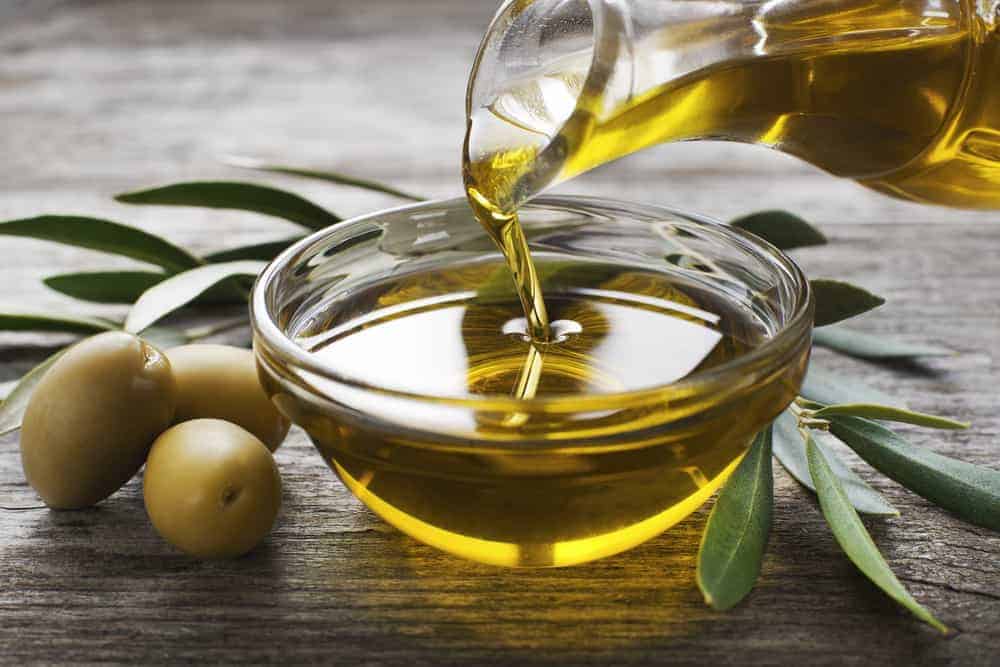
Olives and olive oils are great monounsaturated fats. Shutterstock.

Incorporate Monounsaturated Fats Into Your Diet

Monounsaturated fats are healthy because they decrease harmful LDL cholesterol, increase good HDL cholesterol and reduce harmful oxidation. As opposed to saturated fats, unsaturated fats have at least one double chemical bond that changes the way they are used in the body. Monounsaturated fats have only one double bond. It may seem like common sense to follow a low-fat diet for weight loss, but a study of 10 men found a 6-week, low-fat diet reduced levels of harmful LDL, but also reduced beneficial HDL.

Actually, a diet high in monounsaturated fats reduced harmful LDL, but also protected higher levels of healthy HDL.Contrary to the belief that cutting all fats from a diet, it seems as though that would be much more harmful than just sticking to foods that are high in monounsaturated fats. This includes olives and olive oil, canola oil, almonds, walnuts, pecans, hazelnuts, cashews, and avocados.

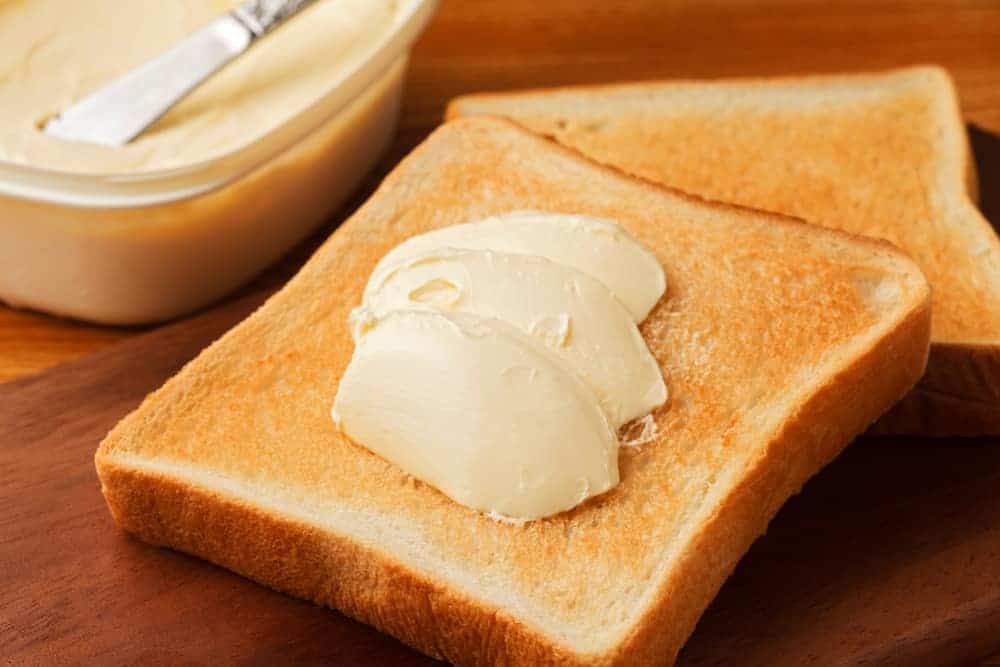
Margarine and shortening are big trans fats. Shutterstock.

Avoid Trans Fats

Trans fats are unsaturated fats that have been modified by a process called hydrogenation. This is the process that also makes shortenings and margarine partially hydrogenated oils. These add textures, so many people and companies like to use these in their products. Unfortunately, the body can’t handle these partially hydrogenated trans fats the same way. Trans fats increase total cholesterol and LDL, but decrease beneficial HDL by as much as 20%.

But if you’re thinking you can just read the labels and avoid trans fats… we may have a problem there. Unfortunately, labels can be misleading when listing their trans fats. Companies are allowed to round down the amount of trans fat per serving. If it is less than 0.5 grams, they can say there are zero. This means some foods contain trans fats even though their labels say “0 grams of trans fat per serving.” To be safe, read the ingredients label in addition to the nutrition label. If a product contains “partially hydrogenated” oil, it has trans fats and should be avoided.

Exercise makes a huge difference in controlling cholesterol and heart health. Shutterstock.

Exercise

Yeah, I know this is a no-brainer, but it truly is important for heart health. But this is also important for cholesterol. In one study, twelve weeks of combined aerobic and resistance exercise reduced the especially harmful oxidized LDL in 20 overweight women. Based on this study, “30 minutes of activity five days a week is enough to improve cholesterol and reduce the risk of heart disease. Ideally, aerobic activity should raise the heart rate to about 75% of its maximum. Resistance training should be 50% of maximum effort. Activity that elevates the heart rate to 85% of its maximum increases HDL and also decreases LDL. The longer the duration, the greater the effects.”

Always make sure to check your exercise regimen with your doctor. Especially if you have a history of heart issues; it’s best to consult a physician when deciding to do more strenuous physical exercise. But in summary, any type of exercise improves cholesterol and promotes heart health – whether it is walking or swimming. The longer and more intense the exercise, the greater the benefit.

Quit Smoking. Shutterstock.

Don’t Smoke

Okay, another obvious one. But many people believe that diet and exercise are the only factors that affect cholesterol. Actually, smoking can be a huge factor when talking about cholesterol and heart health. Smoking changes the way your body can process cholesterol. Unlike many other issues that are caused by nicotine, this issue with smoking actually has to do with the tar.

The immune cells in smokers are unable to return cholesterol from vessel walls to the blood for transport to the liver. These dysfunctional immune cells may contribute to the faster development of clogged arteries in smokers. Cigarette smoke raises levels of LDL, or “bad” cholesterol, and a blood fat called triglycerides.