
Categories
Gadgets Technology

5 Best Tablets on the Market

When many people think of computer tablets, they automatically think of iPads, the first popular tablet (and still a significant trendsetter in the market). However, if you are scouting for a reliable tablet, there are plenty of options. Some you probably know, like the iPad, but others may be brand new — and just right for your budget and needs. Check out these five best tablets on the market for 2020.

5. Microsoft Surface

Microsoft Surface is a series of touch-screen tablets that compete with iPads on many different fronts. The Microsoft Surface Pros have many of the same functionalities as iPad Pros, though they use various software programs. Microsoft Surface tablets also have dual functionality as laptop computers. What does this mean for you? It means that they are the best of both worlds: they have the portability of a tablet with the dependability and functionality of a laptop. One drawback is that many apps may not be compatible with the operating system.

4. Chromebook Tablet
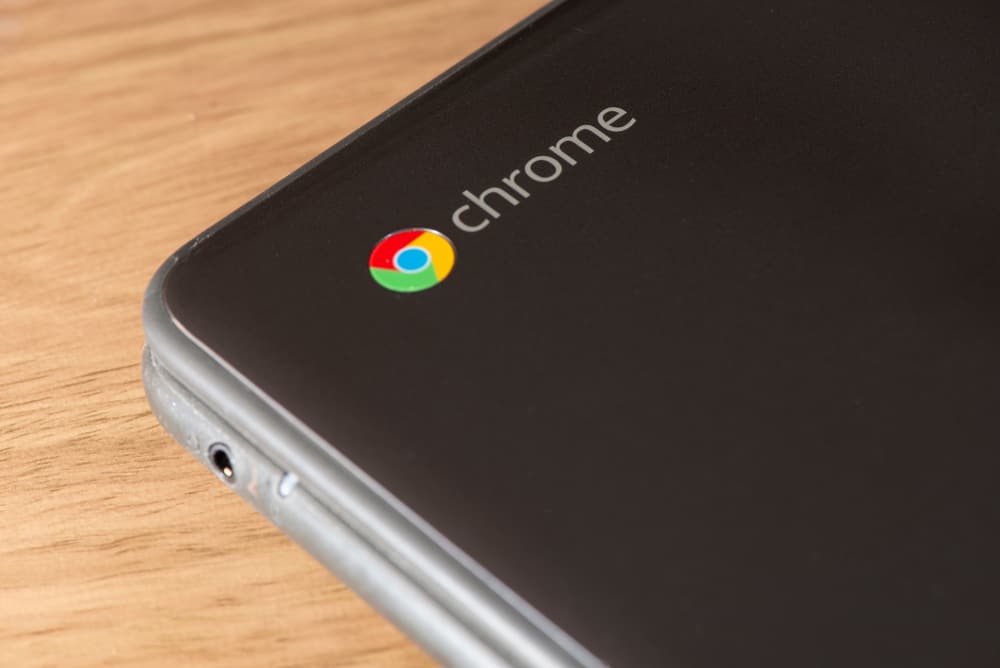
If you are shopping for an inexpensive tablet that can get the job done without any bells and whistles attached, you may want to look at Chromebook tablets. They are a version of the popular Chromebook laptops, which offer a computer’s functionality at an affordable price point. Chromebook tablets are compatible with Google-based apps, with the drawback of not having much memory – usually 32GB or less – on the hard drive.

3. Amazon Fire
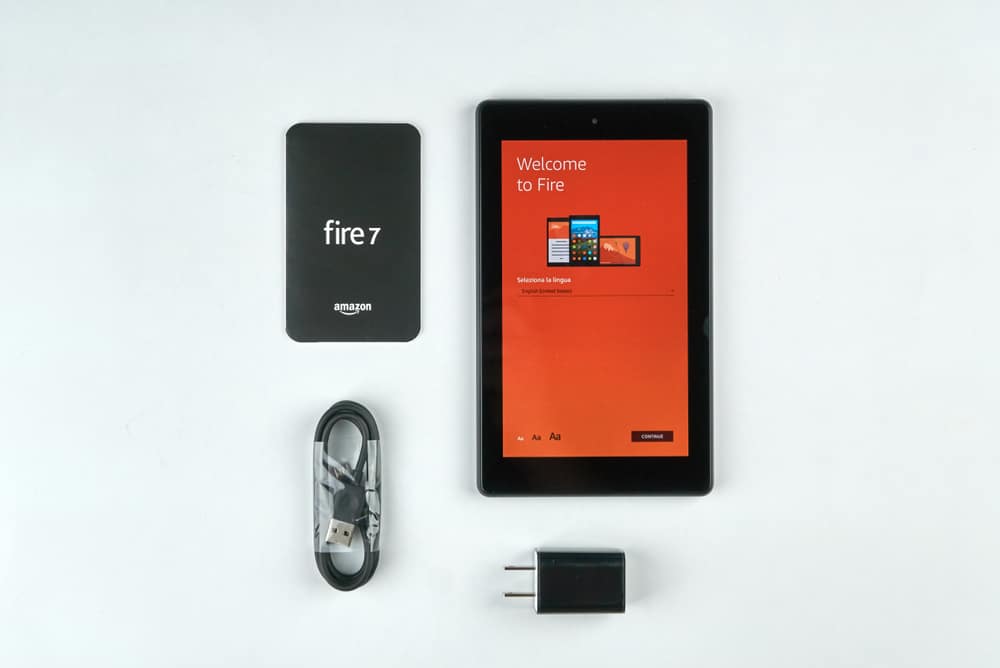
Amazon Fire tablets are not for everyone, but if you are keen on streaming instant videos from Amazon, you may be interested in an Amazon Fire. Be aware that these tablets push Amazon products and services and don’t have much functionality outside of them. They are super cheap, though, usually around $150 to $200, depending on the model. A kid’s version of the Amazon Fire can be a good option for monitoring the content that your children watch.

2. Samsung Galaxy
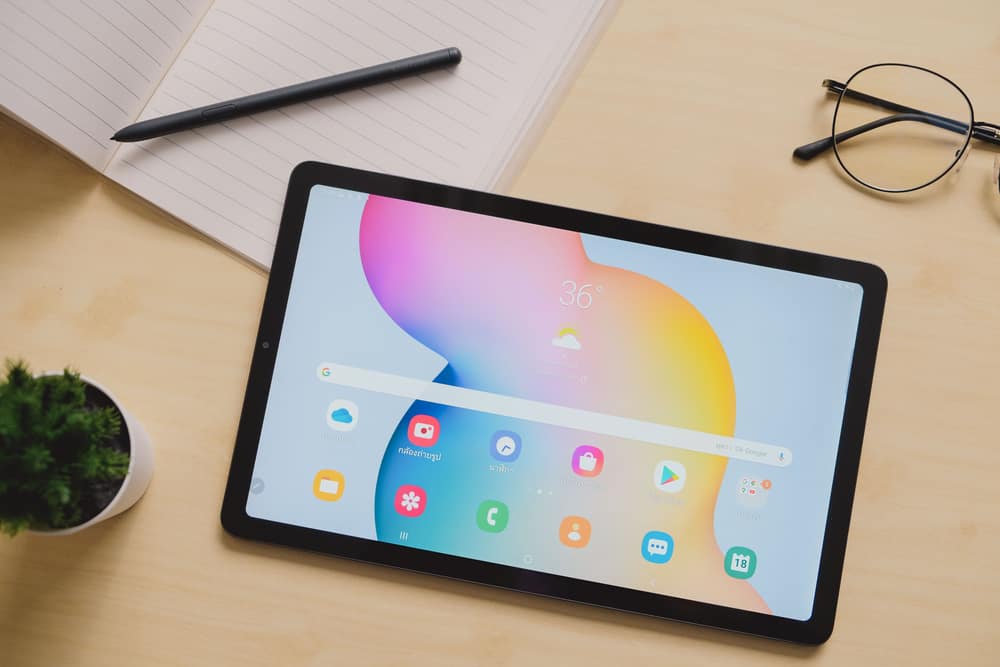
Have you ever heard of the Samsung Galaxy? It is one of the best reliable names in tablets, and these high-functioning gadgets come in at a higher price point. Nevertheless, they have features to make them worth the extra dollars, including the ability to connect to monitors (including smart TVs) and other hardware, such as a keyboard, mouse, and trackpad. As an Android, it is compatible with many apps on Google Play, and you can get as much memory as you want, depending on how much you are willing to pay.

1. And, of course, iPads
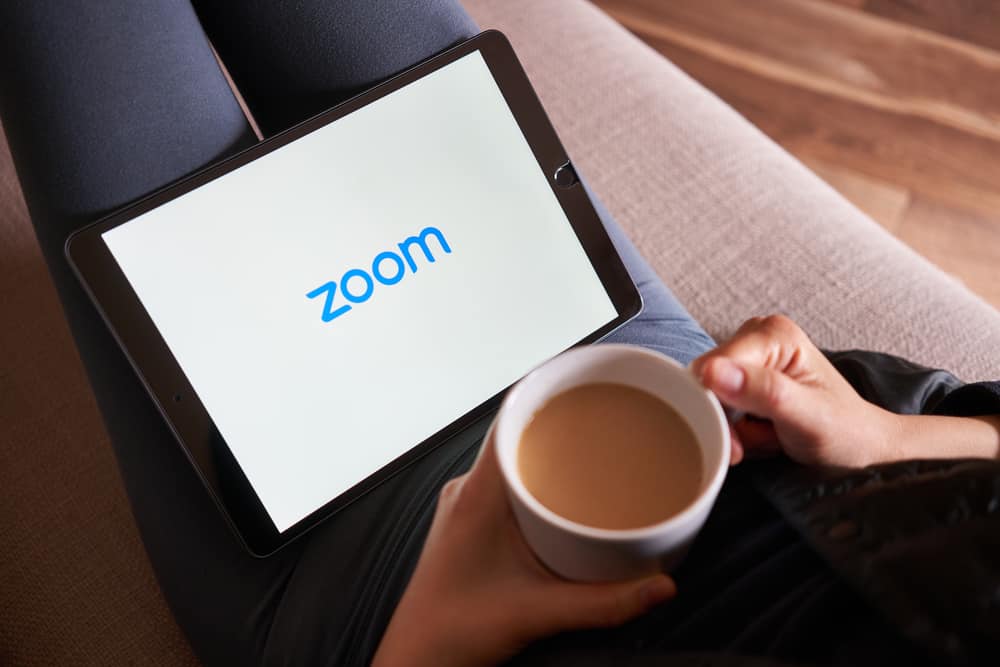
There are plenty of alternatives to iPads, but some people do want an iPad when considering getting a tablet. Different iPads have different functionalities and come in at various price points. An iPad Pro can meet the needs of creatives, especially those who need video and audio editing or creating visual art. iPad minis are relatively inexpensive options that can allow you to access the apps that you want and save information, including pictures. Moreover, there are plenty of versions in-between, such as the iPad Air (a lightweight version) and the standard iPad, which gets a new upgrade every year. Be aware that Apple will intentionally make these products obsolete after a few years, so you will need to upgrade continually.

Sources:
“Best tablet for 2020,” by Scott Stein and Alexandra Garrett. CNet. July 21, 2020.
“The Best Tablets,” by Jeffrey Van Camp. Wired. November 15, 2019.

Categories
Gadgets Smart Tech Technology

Getting To Know The Galaxy S20 5G

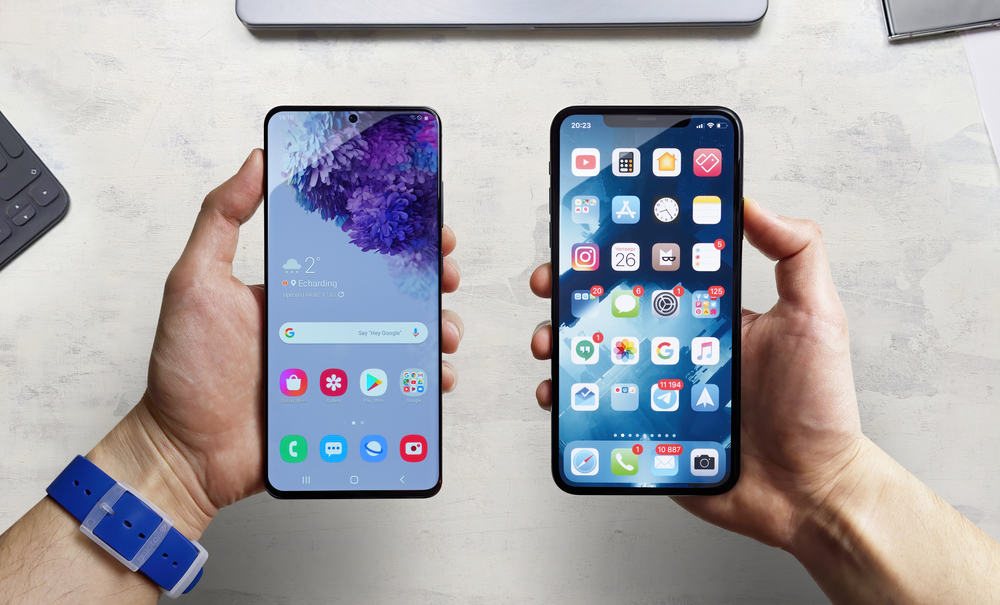
So you’re thinking about getting the new Samsung Galaxy S20 as your phone. You want to unlock access to the similarly new 5G cell phone networks being deployed in America recently. All of this new technology can be tough to wrap your head around, with each generation of technology’s new collection of jargon and buzzwords. When it comes to shopping for new gadgets, the decisions you have to make are a lot simpler than they may appear at first glance. Keep reading to learn more about the Samsung Series 5G network and its capabilities.  

Who’s Ahead in the Game?

Shutterstock

Earlier this year, Sprint and T-Mobile partially paused 5G rollout as they worked on a merger that would allow them to benefit from improved access to specific technologies mutually. Samsung had not completed the work needed to make its low-end vanilla Galaxy S20 compatible with Verizon’s millimeter wave-based 5G network. Now, however, both those things have finished, and so when it comes to 5G, the only decision to make when purchasing your Galaxy S20 line phone is which company’s network will suit your needs and desires.  

The Galaxy S20, Galaxy S20 Plus, and Galaxy S20 Ultra should all give the same 5G coverage from whatever network you decide to use.

5G Wavelengths With Phone Carriers

Shutterstock

AT&T, Verizon, and T-Mobile are the big providers when it comes to 5G. The key differences between the three major companies providing 5G in America come down to the consequences of radio wavelengths they are using for the 5G technology. Those can essentially be split into three categories: low-band, mid-band, and millimeter wave or mmWave. The higher the band used, the higher the potential speeds, but the worse the coverage area and building penetration.  

Verizon is committed to using millimeter waves, and so is only available in 36 cities currently. AT&T has a millimeter wave deployed in 35 US cities. However, in addition to that, they use low-band and mid-band, allowing their nationwide coverage map to show 5G availability in most of the densely populated areas of the continental US. T-Mobile focuses on low- and mid-band. The phone carrier claims nationwide 5G coverage, which isn’t entirely accurate according to the coverage map but does appear to provide 5G access to a significantly wider audience than AT&T.

4G LTE vs. 5G

Shutterstock

There might be a significant degree of marketing hype adding to the 5G appeal right now because, in practice, low-band and mid-band 5G tends to offer only marginal improvements over 4G LTE speeds. In some cases, 4G LTE was faster than 5G in the same location! Millimeter wave is the only one of the three bands that can offer faster speeds 5G promises to deliver; however, mmWave has difficulty filtering through barriers or other physical obstructions. In turn, these quicker speeds are hard to achieve in practice. Although low-band and mid-band have an easier time getting through walls, even these seem to need ideal conditions to offer more than a slight improvement over the old 4G.  

One could argue that current technologies aren’t even “true” 5G necessarily. Authentic 5G is dependent on a combination of millimeter wave and lower band signals working together. That does mean, though, that the 5G speeds we see right now will increase over time, as phone carriers get closer to fully recognizing the technology.

Check out these cover maps for more information about Samsung 5G:

Verizon https://www.verizon.com/5g/coverage-map/

AT&T https://www.att.com/5g/coverage-map/

T-Mobile https://www.t-mobile.com/business/coverage/5g-coverage-map

Source: https://www.tomsguide.com/news/galaxy-s20-and-5g